Cheonggukjang. Just the name itself whispers “umami” and “tradition,” doesn’t it? As someone who’s constantly exploring the globe’s hidden culinary gems, I’ve found few dishes as profoundly impactful as this Korean fermented soybean paste.
It’s often hailed as Korea’s answer to superfoods like natto, and for good reason—packed with an incredible punch of probiotics, vital nutrients, and a depth of flavor that can transform any meal into an experience.
Sure, its distinctive aroma might be a conversation starter, sometimes compared to aged cheese, but trust me, that unique smell is a small price to pay for the incredible health benefits and rich, savory satisfaction it brings.
I’ve personally seen how this powerhouse ingredient, rich in protein, fiber, enzymes, and even Vitamin K2, can elevate a simple stew into something truly nourishing for both body and soul.
Ready to unlock the secrets of this amazing superfood? Let’s dive deeper and uncover why Cheonggukjang should absolutely be on your radar.
Unveiling the Powerhouse: What Makes Cheonggukjang Tick?
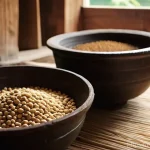
When I first encountered Cheonggukjang, I’ll admit, its reputation for a pungent aroma preceded it. But as a true food adventurer, I knew better than to judge a book by its cover, or in this case, a superfood by its smell! What truly makes Cheonggukjang a standout in the world of fermented foods isn’t just its unique flavor, which we’ll get into, but its incredible nutritional density. Unlike many other fermented products that undergo a longer fermentation process, Cheonggukjang is typically fermented for a shorter period, often just a few days, at a relatively warm temperature. This rapid fermentation, usually initiated by Bacillus subtilis bacteria, is what gives it its distinctive characteristics. I’ve seen firsthand how this process breaks down the complex proteins and carbohydrates in soybeans, making them incredibly easy for our bodies to digest and absorb. It’s like a natural predigestion, delivering a potent cocktail of beneficial compounds right to your system. My personal journey with Cheonggukjang really opened my eyes to how a seemingly simple ingredient can hold so much complex nutritional value, transforming ordinary meals into extraordinary health boosts. It’s not just food; it’s a living, breathing testament to ancient wisdom and microbial magic, offering a depth of wellness that you can genuinely feel from the inside out.
The Bacillus subtilis Advantage
The star player in Cheonggukjang’s fermentation is Bacillus subtilis. This beneficial bacterium is a powerhouse, responsible for producing a wide array of enzymes, including proteases and amylases, which are crucial for breaking down the soybeans. I remember once trying to make my own Cheonggukjang at home, and the sheer activity of the beans as they fermented was fascinating – a true testament to these tiny organisms at work. These enzymes not only enhance nutrient absorption but also contribute to the unique sticky texture and deeply savory flavor. Beyond digestion, Bacillus subtilis is celebrated for its probiotic properties, helping to populate the gut with friendly bacteria. From my perspective, incorporating Cheonggukjang into my diet has definitely led to a noticeable improvement in my overall gut feeling, and I attribute a lot of that to this amazing microbe doing its thing. It’s a simple, natural way to support a healthy digestive system, and who doesn’t want that?
A Nutrient Profile Beyond Compare
What truly sets Cheonggukjang apart is its robust nutrient profile. We’re talking about a treasure trove of vitamins, minerals, and other bioactive compounds that are often amplified through the fermentation process. I’ve always been keen on packing as much nutritional punch into my meals as possible, and Cheonggukjang effortlessly delivers. It’s an excellent source of plant-based protein, making it a fantastic option for vegetarians and vegans looking to boost their intake. Beyond protein, you’ll find a good dose of dietary fiber, which is vital for digestive health. What’s more, the fermentation process significantly increases the bioavailability of certain nutrients, including Vitamin K2, which is crucial for bone health and cardiovascular well-being, and various B vitamins. I’ve personally noticed how a bowl of Cheonggukjang stew leaves me feeling energized and satiated, a clear indicator of its rich nutrient content at work. It’s truly a complete package, offering a holistic approach to nutrition that modern diets often lack.
Beyond the Aroma: Savoring Cheonggukjang’s Unique Flavor Profile
Let’s address the elephant in the room: the aroma. Yes, Cheonggukjang has a distinctive smell. Some people describe it as earthy, others might find it a bit strong, perhaps even akin to aged cheese or very pungent blue cheese. I’ve heard it all, but here’s the thing – once you get past that initial scent, a whole world of incredible flavor opens up. My first real taste of a perfectly prepared Cheonggukjang jjigae (stew) was a revelation. It wasn’t just savory; it was intensely umami, complex, and deeply satisfying. The flavor is robust, nutty, and has a rich, almost meaty depth that lingers beautifully on the palate. It’s a flavor that tells a story of fermentation, of tradition, and of pure culinary magic. I’ve served it to friends who were initially hesitant, only to see their eyes widen in surprise and delight after their first spoonful. It’s not just a taste; it’s an experience that challenges your preconceptions and rewards you with an explosion of unique, comforting flavors that you won’t find anywhere else. Trust me, it’s worth taking that leap.
Understanding the Umami Bomb
If you’re a fan of umami, then Cheonggukjang is about to become your new best friend. This fifth basic taste, often described as savory or meaty, is incredibly prominent in Cheonggukjang. The fermentation process breaks down proteins into amino acids, particularly glutamate, which is the primary driver of umami. I often think of it as a natural flavor enhancer, capable of elevating even the simplest ingredients. When I’m cooking with Cheonggukjang, I find that I need fewer additional seasonings because the paste itself brings such a profound depth of flavor. It’s not just about adding salt; it’s about adding a fundamental savoriness that enriches the entire dish. This characteristic makes it incredibly versatile, allowing it to blend seamlessly into various culinary applications, from traditional stews to more contemporary fusion dishes. It truly is an umami bomb, ready to explode with deliciousness in your kitchen!
Texture and Mouthfeel: A Culinary Delight
Beyond its powerful aroma and intense umami, Cheonggukjang also boasts a unique texture that contributes significantly to the overall eating experience. The paste itself is often quite sticky and somewhat chunky, a result of the partially broken-down soybeans and the long strands of beneficial bacteria. When cooked, particularly in a stew, it lends a wonderful richness and a slightly grainy, yet smooth, consistency to the broth. I personally adore how it thickens a stew, giving it a hearty, comforting mouthfeel that’s perfect on a chilly evening. It’s not slimy like some fermented foods, but rather has a pleasant, almost viscous quality that helps the flavors cling to your palate. This textural element adds another layer of complexity, making each spoonful an engaging experience. It’s these subtle nuances – the aroma, the taste, and the texture – that combine to make Cheonggukjang a truly unforgettable culinary gem.
Bringing Cheonggukjang Home: Easy Ways to Incorporate This Superfood
So, you’re convinced Cheonggukjang is worth a try, but how do you actually use it in your everyday cooking? My kitchen has become a testing ground for incorporating this versatile ingredient into a range of dishes, and I’ve found it’s much easier than you might think. While the traditional Cheonggukjang jjigae is an absolute classic and a must-try, its applications extend far beyond a simple stew. Think of it as a powerful flavor enhancer and a nutritional booster that can seamlessly integrate into various meals. I often tell my friends to start small, perhaps by adding a spoonful to a familiar soup or sauce, just to get acquainted with its distinct character. The key is to embrace its unique qualities rather than trying to mask them entirely. Once you get the hang of it, you’ll discover a whole new dimension of flavor and nutrition that will elevate your home-cooked meals. It truly transforms the mundane into something extraordinary, and I love seeing the surprised faces of people who thought it was too ‘exotic’ to cook with.
Traditional Stews and Soups
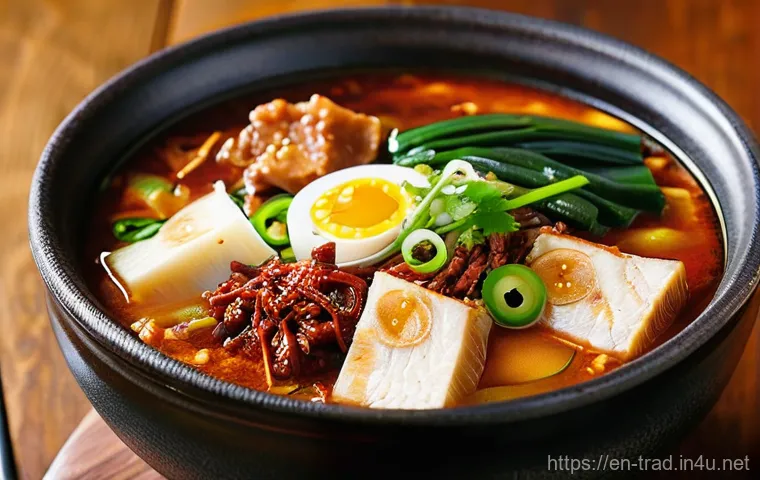
Of course, the most iconic way to enjoy Cheonggukjang is in a hearty stew, often called Cheonggukjang jjigae. This is where its rich, earthy flavors truly shine. I’ve spent countless evenings simmering a pot of this stew, filling my home with its comforting aroma. Typically, it’s made with pork or beef, tofu, kimchi, and various vegetables, creating a deeply savory and incredibly nourishing meal, often served with a bowl of warm rice. Beyond jjigae, I’ve experimented with adding a dollop to other Korean soups like kimchi jjigae or even a simple vegetable soup, and the results are always fantastic, adding an extra layer of umami and nutritional depth. It’s amazing how a single ingredient can transform a simple broth into a robust, flavorful centerpiece. If you’re new to Cheonggukjang, starting with a traditional stew is definitely the way to go – it’s a foundational experience that will help you appreciate its true potential.
Modern Twists and Creative Uses
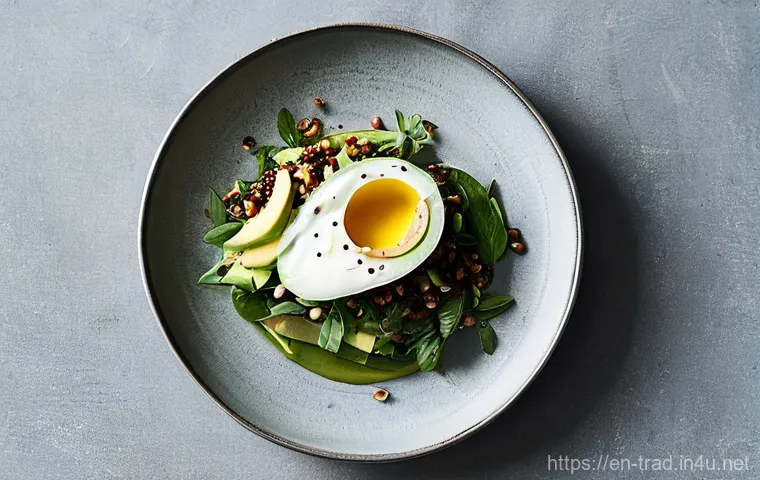
Don’t limit yourself to traditional preparations! I’m all about pushing culinary boundaries, and Cheonggukjang is surprisingly adaptable. I’ve personally experimented with mixing a small amount into salad dressings for an umami kick, stirring it into pasta sauces for a savory depth, or even spreading a thin layer on toast with avocado for a superfood-packed breakfast. One of my favorite creative uses is incorporating it into marinades for meats or vegetables; it tenderizes and infuses them with an incredible flavor. I also love to whisk it into scrambled eggs or an omelet for a quick, nutritious, and flavor-packed start to the day. The trick is to start with small quantities and gradually increase to your desired taste. Its potent flavor means a little goes a long way, making it an economical as well as delicious addition to your pantry. The possibilities are truly endless, and it’s so much fun to discover new ways to enjoy this incredible ingredient!
My Cheonggukjang Journey: Personal Encounters and Culinary Adventures
My relationship with Cheonggukjang wasn’t love at first sight, I’ll be honest. I first encountered it during a culinary tour of Seoul, years ago, and the initial whiff from a bustling market stall was, shall we say, memorable. It was an aroma that demanded attention! However, my guide insisted I try a small bowl of Cheonggukjang jjigae from a tiny, unassuming restaurant tucked away in an alley. Hesitantly, I took a spoonful, and that was it – I was hooked. The rich, savory warmth, the complex umami, the subtle earthiness… it was unlike anything I had ever tasted. From that moment on, Cheonggukjang became a culinary obsession. I spent weeks trying different versions, learning about its history, and understanding its profound role in Korean cuisine. It wasn’t just a dish; it was a cultural gateway, a deeply nourishing food that spoke of tradition and community. That initial apprehension transformed into a deep appreciation, and now, it’s a staple in my kitchen, a constant reminder of that unforgettable culinary adventure.
From Skeptic to Superfan: My First Taste
I still vividly remember that moment in Seoul. The steam rising from the earthenware pot, the vibrant colors of the kimchi and tofu, and that unmistakable, intense aroma. My guide, a wonderfully patient woman, watched my hesitant expression with a knowing smile. “Just try it,” she encouraged. I braced myself, took a spoonful of the bubbling stew, and a wave of flavors hit me. It wasn’t the overpowering scent I’d anticipated, but a harmonious blend of savory, slightly nutty, and deeply comforting notes. It felt incredibly nourishing, a hug in a bowl. That first bite completely shattered my preconceived notions. It tasted ancient and new all at once. The experience taught me a valuable lesson: sometimes the most extraordinary culinary treasures are hidden behind an initial sensory challenge. Since then, I’ve made it a mission to share this discovery with others, knowing that if I could be swayed, anyone could.
Experimenting in My Own Kitchen
Once I was back home, my next challenge was to recreate that magic in my own kitchen. I started by diligently following traditional recipes for Cheonggukjang jjigae, sourcing the best quality Cheonggukjang paste I could find. My first few attempts were good, but it took time to truly understand the balance of ingredients, how to coax out the deep umami without letting the aroma overpower the dish. I learned that a little goes a long way, and that fresh, high-quality ingredients truly make a difference. I’ve since moved beyond just stews, experimenting with Cheonggukjang in various contexts. I once made a Cheonggukjang-infused vinaigrette for a grain bowl, and it was a revelation! It brought an unexpected savory depth that elevated the entire dish. These experiments have not only deepened my appreciation for this superfood but have also made me a more adventurous and confident cook. It’s a continuous journey of discovery, and Cheonggukjang is definitely one of my favorite travel companions.
The Health Revolution: Diving Deep into Cheonggukjang’s Benefits
Beyond its captivating flavor and unique aroma, the true marvel of Cheonggukjang lies in its incredible health benefits. This isn’t just a delicious ingredient; it’s a genuine superfood that has been revered in Korea for centuries for its profound impact on well-being. From bolstering gut health to potentially offering anti-cancer properties, the scientific community is increasingly recognizing what traditional Korean medicine has known all along. I’ve personally experienced the subtle yet significant improvements in my own health since regularly incorporating Cheonggukjang into my diet. I feel more energetic, my digestion is smoother, and there’s a general sense of vitality that I attribute to this fermented powerhouse. It’s truly a holistic ingredient, working on multiple fronts to support a healthy body and mind. It’s not a magic pill, but it’s pretty darn close to a magic bean, if you ask me!
| Health Benefit | How Cheonggukjang Contributes | My Personal Takeaway |
|---|---|---|
| Gut Health & Digestion | Packed with live Bacillus subtilis probiotics, enzymes, and fiber, it supports a balanced gut microbiome and aids nutrient absorption. | I’ve definitely noticed smoother digestion and less bloating since making it a regular part of my diet. It feels like my system is just happier! |
| Bone & Cardiovascular Health | Rich in Vitamin K2, which is crucial for calcium metabolism and arterial health, preventing calcification and strengthening bones. | Knowing I’m getting a natural boost of Vitamin K2 for my heart and bones gives me peace of mind. It’s a smart long-term health investment. |
| Protein & Nutrition | An excellent source of plant-based protein, essential amino acids, and various B vitamins, enhancing overall energy and satiety. | It keeps me feeling full and energized without feeling heavy. It’s an incredible plant-based protein source that easily fits into any meal. |
| Immunity Boost | A healthy gut, fostered by Cheonggukjang, is directly linked to a stronger immune system, helping your body fight off illness. | I feel more resilient, especially during colder months. A robust gut really does seem to translate to fewer sniffles! |
Gut Health and Probiotic Power
This is where Cheonggukjang truly shines for me. As someone who constantly seeks ways to optimize gut health, the probiotic content of Cheonggukjang is a major draw. The live Bacillus subtilis cultures work diligently to support a balanced gut microbiome, which is foundational to overall health. A healthy gut isn’t just about digestion; it impacts immunity, mood, and even skin health. I’ve noticed a definite positive shift in my digestive comfort and regularity since making Cheonggukjang a regular part of my meals. It’s like giving my gut a daily spa treatment, helping all those beneficial bacteria thrive. Unlike some commercial probiotics, Cheonggukjang offers a complex array of beneficial compounds in a natural, food-based matrix, making it incredibly effective and enjoyable. It’s a delicious way to nourish your inner ecosystem and feel great from the inside out.
Cardiovascular and Bone Health
The benefits of Cheonggukjang extend far beyond the gut. Its rich content of Vitamin K2 is particularly noteworthy. This often-overlooked vitamin plays a critical role in directing calcium to where it’s needed (bones and teeth) and away from where it’s not (arteries and soft tissues), thereby supporting both bone density and cardiovascular health. I’ve always been mindful of long-term health, and discovering an ingredient that naturally provides such a crucial nutrient is incredibly exciting. Furthermore, studies suggest that the peptides formed during Cheonggukjang’s fermentation may help lower blood pressure and cholesterol levels, contributing to a healthier heart. It’s amazing how a simple fermented bean paste can have such far-reaching positive effects on some of our most vital bodily systems. Incorporating Cheonggukjang is a proactive step towards a healthier future, and that’s something I wholeheartedly believe in.
Maximizing Your Cheonggukjang Experience: Tips and Tricks
Alright, you’re ready to embrace Cheonggukjang, and I’m here to help you make the most of it! Over the years, through trial and error, I’ve gathered a few insider tips and tricks that can truly enhance your Cheonggukjang journey. From selecting the best paste to storing it properly and even managing its distinctive aroma, these insights will help you become a Cheonggukjang connoisseur in no time. It’s all about understanding the nuances of this incredible ingredient and making it work for you and your palate. Remember, every culinary adventure has its learning curve, but with a few pointers, you’ll be simmering delicious, healthful Cheonggukjang dishes like a seasoned pro. I’ve personally found these tips to be game-changers, transforming good meals into truly exceptional ones, and I’m excited for you to discover the difference they make.
Choosing the Right Cheonggukjang
Not all Cheonggukjang is created equal, and selecting a quality product can significantly impact your experience. When I’m shopping, I look for Cheonggukjang that has a rich, earthy color and, if possible, visible strands of natto-like stickiness, which is a sign of good fermentation. Freshness is key, so check the expiration date. You’ll often find it in the refrigerated section of Korean grocery stores. Some brands might have a milder aroma, which can be a good starting point if you’re new to it. I’ve also found that artisan or traditionally made Cheonggukjang often has a more complex and satisfying flavor profile. Don’t be afraid to ask store clerks for recommendations – they usually know their products well! Investing in a good quality Cheonggukjang paste is the first step to unlocking its full potential in your kitchen, and it’s a choice I always prioritize for the best culinary outcome.
Storage and Aroma Management
Once you bring your Cheonggukjang home, proper storage is crucial to maintain its freshness and flavor. Always keep it refrigerated in an airtight container to prevent its aroma from permeating other foods. I usually transfer it to a glass jar with a tight-fitting lid immediately after opening. If you’ve bought a larger quantity, Cheonggukjang freezes beautifully. I often portion it out into smaller, single-use containers or even ice cube trays, making it incredibly convenient for future use. When it comes to managing the aroma during cooking, ensure good ventilation in your kitchen. Opening a window or using an exhaust fan can make a big difference. And remember, the aroma often mellows considerably during cooking, so don’t let the initial scent deter you. My kitchen fan works overtime when I’m making Cheonggukjang, but the delicious reward is always worth it!
Cheonggukjang: A Global Superfood in the Making
While Cheonggukjang has deep roots in Korean culinary tradition, its incredible health benefits and versatile flavor profile are quickly positioning it as a global superfood. As people around the world become more aware of the importance of fermented foods for gut health and overall well-being, unique ingredients like Cheonggukjang are finally getting the recognition they deserve. I’ve seen a growing interest in specialty Asian markets and online, with more food enthusiasts and health-conscious individuals seeking it out. It’s exciting to witness this ancient staple transcend its cultural boundaries and find a place on dinner tables far beyond Korea. For me, it represents the universal appeal of wholesome, fermented foods and a testament to how traditional wisdom can offer powerful solutions to modern dietary needs. It’s not just a Korean secret anymore; it’s a gift to the world, slowly but surely making its delicious and nutritious mark.
Comparing Fermented Powerhouses
In the landscape of fermented superfoods, Cheonggukjang often draws comparisons to other potent options like Japanese natto, tempeh from Indonesia, or even sauerkraut from Europe. While all share the common thread of fermentation and offer probiotic benefits, each has its own distinct characteristics. Natto, for instance, also uses Bacillus subtilis, resulting in a similar sticky texture and Vitamin K2 content, but often has a more pronounced, pungent aroma and different traditional uses. Tempeh, made from whole soybeans, is fermented with a different fungus, giving it a firmer, cake-like texture. What I love about Cheonggukjang is its unique balance of intense umami, creamy texture when cooked, and its unparalleled versatility in stews and sauces. I’ve tried them all, and while each is fantastic in its own right, Cheonggukjang holds a special place for its ability to transform a dish with its profound savory depth and inherent goodness.
The Growing Global Appetite for Fermented Foods
There’s no denying that fermented foods are having a moment, and it’s a trend I wholeheartedly support! From kombucha and kefir to kimchi and sourdough, people are actively seeking out foods that not only taste good but also offer significant health advantages. This growing appetite is creating the perfect stage for Cheonggukjang to shine on a global scale. As consumers become more educated about gut health, microbiome diversity, and the benefits of traditional food preparation, ingredients like Cheonggukjang become incredibly appealing. I’ve noticed more health food blogs and culinary websites featuring it, offering new recipes and insights. This increasing exposure is fantastic, as it means more people can discover the incredible taste and wellness benefits that I’ve come to cherish. It’s a beautiful example of how ancient wisdom can truly enrich our modern plates and promote better health worldwide.
Wrapping Things Up
My journey with Cheonggukjang has been nothing short of transformative, and I genuinely hope sharing my experiences has sparked your curiosity about this remarkable fermented food. From its humble origins to its burgeoning status as a global superfood, Cheonggukjang offers a unique blend of profound flavor and incredible health benefits that truly sets it apart. It’s a testament to the power of ancient culinary traditions and microbial magic, demonstrating how a simple ingredient can enrich our lives in countless ways. Don’t let its initial reputation deter you; embrace the adventure, and I promise you’ll discover a savory, nutritious treasure that will elevate your cooking and boost your well-being.
Useful Information to Know
1. When you’re ready to try Cheonggukjang, look for it in the refrigerated section of your local Asian market or specialty online grocers. Don’t hesitate to ask staff for their recommendations, especially if you’re looking for a milder option to start with.
2. To manage the distinctive aroma during cooking, always ensure good ventilation in your kitchen. An open window or a strong exhaust fan can make a big difference, allowing you to focus on the deliciousness rather than the scent.
3. Beyond the classic stew, Cheonggukjang is incredibly versatile! Try incorporating small amounts into marinades, vegetable stir-fries, omelets, or even savory dips to add a powerful umami punch and a boost of probiotics.
4. Proper storage is key to maintaining freshness. Keep your Cheonggukjang in an airtight container in the refrigerator, and for longer storage, it freezes wonderfully in portioned amounts, ready for your next culinary creation.
5. Remember, the health benefits are extensive: from bolstering your gut microbiome with beneficial Bacillus subtilis to providing vital Vitamin K2 for bone and heart health, Cheonggukjang is a true powerhouse of nutrition.
Key Takeaways
Cheonggukjang is a potent fermented soybean paste, renowned for its rich umami flavor and impressive nutritional profile, including live probiotics like Bacillus subtilis and Vitamin K2. While it has a distinctive aroma, its deep savory taste and health benefits for gut, bone, and cardiovascular health make it a worthy addition to any diet. It’s incredibly versatile, perfect for traditional stews, and adaptable to modern culinary twists. Don’t be shy; embracing this unique ingredient opens up a world of delicious and healthful possibilities, transforming your meals and boosting your overall well-being.
Frequently Asked Questions (FAQ) 📖
Q: What exactly is Cheonggukjang, and what’s with that distinctive aroma everyone talks about?
A: Alright, let’s get right to it! Cheonggukjang is a powerhouse of Korean cuisine, essentially a fermented soybean paste that’s often compared to Japan’s natto, but with its own unique flair and culinary applications.
Unlike other Korean pastes like doenjang, Cheonggukjang goes through a much shorter fermentation process, typically just a few days, which is what gives it such a fresh, potent flavor and a softer texture.
Now, about that smell… yes, it’s a topic of conversation! Many describe it as earthy, savory, sometimes even a bit like a very strong, aged cheese, or a blue cheese.
I remember the first time I encountered it, it was definitely an olfactory experience! But honestly, that “smell” is just a testament to its intense fermentation and the rich enzymes it contains.
It’s a sign of all the good things happening inside those soybeans. Once you get past that initial impression – and believe me, you do – you’ll find an incredibly deep, umami-rich flavor that truly elevates any dish.
It’s like a secret ingredient that whispers complexity into your food. Don’t let the aroma deter you; it’s part of its charm and its incredible health promise!
Q: Why is Cheonggukjang considered such a “superfood,” and what health benefits can I actually expect from it?
A: This is where Cheonggukjang truly shines and why I’m such a huge fan! It’s not just a delicious ingredient; it’s a nutritional titan, absolutely packed with benefits that make it a genuine superfood.
First off, it’s a probiotic powerhouse. Those beneficial bacteria created during fermentation are fantastic for your gut health, aiding digestion and potentially boosting your immune system.
If you’ve ever felt sluggish, incorporating Cheonggukjang could be a game-changer for your digestive comfort. Beyond probiotics, it’s a fantastic source of plant-based protein, making it a wonderful addition for vegetarians, vegans, or anyone looking to reduce their meat intake.
I’ve personally felt a noticeable increase in my energy levels and overall well-being when I regularly include it in my diet. It’s also rich in dietary fiber, which is great for keeping things moving smoothly, and crucial enzymes that help your body absorb nutrients more efficiently.
But here’s a lesser-known gem: Cheonggukjang is a natural source of Vitamin K2, which is vital for bone health and even cardiovascular health, often working synergistically with Vitamin D.
So, when you’re enjoying that hearty Cheonggukjang stew, you’re not just savoring a meal; you’re nourishing your entire body from the inside out. It’s a win-win!
Q: Okay, I’m ready to try it! How can I incorporate Cheonggukjang into my cooking at home, especially if I’m new to it?
A: That’s fantastic to hear! Getting started with Cheonggukjang is easier than you might think, and trust me, your taste buds will thank you. The most classic and popular way to enjoy it, and my personal favorite for beginners, is in a bubbling stew called Cheonggukjang Jjigae.
It’s a hearty, comforting dish typically made with kimchi, tofu, pork (or mushrooms for a vegetarian version), and lots of vegetables. The Cheonggukjang is added near the end, allowing its unique flavor to shine without being overcooked.
You simply can’t go wrong with it on a chilly evening! If you’re a little hesitant about the full-on traditional experience, you can start by adding a small spoonful to other stews or soups you already love, like a kimchi jjigae or even a simple vegetable broth, just to get acquainted with the flavor.
I’ve also experimented with mixing a tiny bit into my stir-fries or even as part of a marinade for meats, and the results have been surprisingly delicious, adding a subtle depth.
Some adventurous cooks even use it in dipping sauces or spreads. My best advice? Start with the Jjigae recipe, find one online that looks good (there are tons of fantastic English recipes out there!), and don’t be afraid to adjust it to your taste.
You might just discover your new favorite superfood staple!