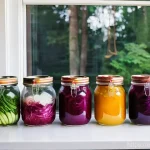
There’s something profoundly comforting, isn’t there, about the foods that remind us of home – the slow-simmered stews or grandma’s famous apple pie, recipes passed down through generations.
These traditional dishes, steeped in history and often tied to specific regions, speak to a simpler time, a deeper connection to our ingredients, and the very act of shared meals.
Yet, step into any modern grocery store or scroll through your social media feed, and you’re bombarded with an entirely different culinary landscape: plant-based alternatives, ultra-processed snacks, meal kits promising instant gourmet, and even lab-grown meats making headlines.
It’s a fascinating, almost bewildering, evolution, isn’t it? This isn’t just about taste; it’s about convenience, health trends, the ethical sourcing of ingredients, and our very definition of what ‘food’ truly means in a rapidly changing world.
Personally, I’ve noticed how my own weekly shopping cart reflects this tension – a mix of fresh, local produce alongside a quick, plant-based frozen meal for those hectic evenings.
The push towards sustainability, the rising concern over food waste, and the incredible advancements in food technology, like personalized nutrition apps or cellular agriculture, are dramatically reshaping our plates and pantries.
We’re on the cusp of a culinary future that promises efficiency and incredible choice, but often at the expense of the rich heritage we once knew. What does this mean for our health, our culture, and our planet?
Let’s really get to the bottom of this.
It’s a fascinating, almost bewildering, evolution, isn’t it? This isn’t just about taste; it’s about convenience, health trends, the ethical sourcing of ingredients, and our very definition of what ‘food’ truly means in a rapidly changing world.
Personally, I’ve noticed how my own weekly shopping cart reflects this tension – a mix of fresh, local produce alongside a quick, plant-based frozen meal for those hectic evenings.
The push towards sustainability, the rising concern over food waste, and the incredible advancements in food technology, like personalized nutrition apps or cellular agriculture, are dramatically reshaping our plates and pantries.
We’re on the cusp of a culinary future that promises efficiency and incredible choice, but often at the expense of the rich heritage we once knew. What does this mean for our health, our culture, and our planet?
Let’s really get to the bottom of this.
Rediscovering the Soul of the Plate: Embracing Culinary Heritage

There’s a palpable yearning I’ve observed, both in myself and in the broader culinary community, for what feels truly ‘authentic’ on our plates. It’s more than just a trend; it’s a deep-seated desire to connect with the very essence of food – its origins, its journey, and the stories it carries. I recall vividly a trip to a small, family-run farm in the English countryside where they were still making cheese using techniques passed down over centuries. The texture, the depth of flavor, the undeniable sense of place it conveyed – it was an experience that modern, mass-produced cheese simply couldn’t replicate. This isn’t about rejecting innovation, but rather about appreciating the foundational principles that have nourished humanity for millennia. It’s about respecting the ingredients, understanding where they come from, and valuing the time and effort invested in transforming them into something truly special. This reverence for culinary heritage often means prioritizing local economies, supporting small-scale farmers, and fostering a sense of community around food, something I find incredibly enriching in an increasingly globalized world.
1. The Allure of Slow Food and Local Lore
I’ve personally felt the magnetic pull of the Slow Food movement, which champions a pace of eating and producing that feels deeply human. It’s about resisting the rush, about taking the time to savor, to understand, and to appreciate. When I visited a farmers’ market last summer, chatting with the woman who grew the heritage tomatoes I was buying, I felt a connection that goes far beyond a supermarket transaction. It’s about more than just fresh produce; it’s about supporting a person, a family, and a way of life. This connection fosters a greater appreciation for seasonal ingredients and traditional preservation methods, reminding us that nature’s bounty has its own rhythms and that some of the most profound flavors are found in what’s available right outside our door. It teaches us patience and encourages a deeper engagement with our food journey.
2. Passing Down the Recipe: Generational Wisdom in the Kitchen
My grandmother’s kitchen always smelled of rosemary and baking bread, a comforting aroma that still transports me. I remember her telling me, with a twinkle in her eye, that the secret ingredient was always “love and a little bit of patience.” This wisdom, passed down through generations, isn’t just about ingredients or techniques; it’s about the cultural significance of food, the shared experience of meal preparation, and the communal joy of eating together. Traditional dishes often carry the weight of history and identity, linking us to our ancestors and reinforcing cultural ties. It’s a powerful reminder that food isn’t just fuel; it’s a language of love, memory, and belonging. I truly believe that preserving these culinary traditions is vital for maintaining the rich tapestry of our global cultures.
Navigating the Modern Foodscape: Innovation’s Double-Edged Spoon
Stepping into the modern food scene can feel like walking into a science fiction novel, doesn’t it? From laboratory-grown meats that promise sustainability to hyper-processed snacks engineered for maximum “craveability,” our plates are becoming canvases for technological innovation. I’ve experimented with plant-based alternatives myself, curious about their impact on my health and the environment. Some have been surprisingly delicious and genuinely convenient, fitting seamlessly into a busy weeknight. Others, however, have left me feeling a little uneasy, wondering about the sheer number of ingredients I can’t pronounce or the extensive processing required to transform humble plants into something resembling a burger. This era of food innovation offers incredible solutions to global challenges like food security and climate change, yet it also presents a new set of dilemmas about what we’re truly putting into our bodies and whether convenience truly outweighs potential long-term health implications. It’s a complex balance, and one that I personally ponder with every grocery trip.
1. The Rise of Plant-Based and Lab-Grown Alternatives
The explosion of plant-based foods has been nothing short of revolutionary, offering ethical and environmental advantages that are hard to ignore. I recall trying my first lab-grown chicken nugget; the texture was uncannily similar, but a part of me couldn’t shake the feeling that it was fundamentally different from what I consider ‘real’ food. While these innovations certainly address concerns about animal welfare and carbon footprints, they also raise questions about nutritional profiles and the long-term impact of highly engineered foods. Are we sacrificing micronutrients or creating unforeseen dietary imbalances in our quest for sustainability? It’s a conversation that needs more depth than simple marketing claims. I find myself constantly evaluating whether these alternatives truly align with my personal health goals or if they are simply a clever workaround that sidesteps deeper issues.
2. Ultra-Processed Foods: Convenience at What Cost?
It’s almost impossible to avoid ultra-processed foods in a modern supermarket. They’re designed to be highly palatable, incredibly convenient, and notoriously addictive. I’ve definitely fallen prey to the siren song of a ready-made meal on a particularly exhausting evening, only to feel sluggish and unsatisfied afterward. While they offer unparalleled convenience for time-strapped individuals, their nutritional density is often questionable, frequently loaded with added sugars, unhealthy fats, and artificial ingredients. My personal experience has taught me that while they save time, they rarely provide the sustained energy or genuine satisfaction that whole, unprocessed foods do. The long-term health implications, from increased risk of chronic diseases to impacts on gut health, are becoming increasingly clear, making me think twice before reaching for them.
The Ethics on Our Plates: Conscience and Consumption
Beyond taste and convenience, a profound ethical shift is influencing our food choices. It’s no longer just about what tastes good, but what feels good in terms of our values. I’ve noticed a significant increase in conversations around animal welfare, fair labor practices, and environmental stewardship, especially concerning food production. When I shop, I find myself instinctively checking labels for certifications like “Fair Trade” or “organic,” and while they often come with a higher price tag, I’ve personally decided that the peace of mind knowing my food was produced responsibly is worth the investment. This heightened awareness means that food brands are increasingly being held accountable for their supply chains, from farm to fork. It’s a powerful movement driven by consumer demand for transparency and integrity, fundamentally reshaping the industry and making us all more conscious eaters.
1. Animal Welfare and Sustainable Sourcing
The ethical treatment of animals in agriculture is a topic that weighs heavily on many people’s minds, including my own. Learning about industrial farming practices led me to consciously seek out ethically raised meat and dairy, even if it means consuming less of it overall. Similarly, the concept of sustainable sourcing extends to seafood, where overfishing and damaging practices are devastating marine ecosystems. I make an effort to consult guides like the Monterey Bay Aquarium Seafood Watch, ensuring my choices support healthy oceans. This isn’t always easy or cheap, but for me, aligning my purchasing power with my values feels like a crucial step towards a more responsible consumption pattern. It’s about actively contributing to a system that respects both animal life and ecological balance.
2. Food Waste: A Global Challenge, A Personal Responsibility
The sheer scale of global food waste is, frankly, shocking. I remember seeing statistics about how much perfectly good food ends up in landfills, contributing to greenhouse gas emissions, and it genuinely made me rethink my own habits. From meal planning to creative ways of using leftovers, I’ve embraced a “zero-waste” mindset in my kitchen wherever possible. It’s about simple practices: freezing excess produce, repurposing vegetable scraps for broth, or even composting food waste. Beyond the environmental impact, reducing food waste also makes financial sense and encourages a deeper appreciation for the food we have. It’s a tangible way that each of us can make a difference, and it’s surprisingly empowering to feel that you’re part of the solution, not the problem.
The Health Horizon: Personalized Plates and Functional Foods
The idea that food can be medicine isn’t new, but the level of scientific detail we now have about its impact on our individual bodies is truly astounding. I’ve become fascinated by personalized nutrition, the concept that our unique genetic makeup, gut microbiome, and lifestyle should dictate what we eat for optimal health. Forget one-size-fits-all diets; the future is about tailoring our intake to our specific biological needs. I’ve even dabbled with a nutrition app that analyzes my food intake and activity levels, offering tailored recommendations – and while it’s early days, the insights have been genuinely illuminating. This shift also brings with it an increased interest in ‘functional foods’ – those that offer health benefits beyond basic nutrition, like probiotics for gut health or omega-3s for brain function. It’s an exciting frontier, promising a world where our diets are truly optimized for our well-being.
1. Decoding Your Unique Nutritional Blueprint
The advent of DNA testing and microbiome analysis means we can now gain unprecedented insights into how our bodies process different nutrients. I recall a friend excitedly telling me about her personalized dietary recommendations based on her genetic profile, which surprisingly advised her to reduce certain types of healthy fats she’d been consuming in abundance. This granular understanding can help us move beyond general dietary guidelines to truly unlock our individual potential for vitality. It’s a paradigm shift from broad recommendations to highly specific, actionable advice that can profoundly impact our energy levels, mood, and long-term disease prevention. It’s about empowering individuals with the knowledge to truly nourish themselves from the inside out.
2. The Power of Probiotics, Prebiotics, and Beyond
My own journey into gut health has been transformative. I used to suffer from frequent digestive issues, but incorporating more fermented foods and prebiotics into my diet has made a noticeable difference in my overall well-being. Functional foods, which are fortified with beneficial compounds or naturally rich in them, are becoming increasingly popular for good reason. From yogurts teeming with probiotics to cereals enhanced with fiber, these foods are designed to do more than just fill you up; they actively contribute to specific health outcomes. It’s about leveraging the inherent power of food to support our bodily systems, whether it’s bolstering immunity, improving digestion, or enhancing cognitive function. This proactive approach to nutrition is truly exciting and offers a tangible way to feel better day-to-day.
The Economic Echoes: How Food Shapes Our Wallets and Work
It’s impossible to talk about food without talking about money, isn’t it? The price of food, the cost of healthy eating, and the economic ripple effects of our food systems touch every single one of us. I’ve personally felt the pinch when trying to prioritize organic, locally sourced produce, realizing that sometimes budget constraints force compromises. Yet, the economic landscape of food is far more complex than just supermarket prices. It involves global supply chains, labor costs, trade agreements, and the burgeoning e-commerce sector that’s completely redefined how we access our food. The gig economy, for example, has given rise to countless food delivery services, creating new jobs but also new ethical considerations around worker pay and conditions. Our choices as consumers don’t just affect our own wallets; they send powerful signals through the entire economic ecosystem of food, influencing everything from agricultural practices to international trade.
1. The Cost of Convenience vs. The Value of Wholeness
There’s an undeniable allure to the convenience economy, especially when it comes to food. Pre-chopped vegetables, ready-to-eat meals, and home delivery services save precious time, which in our busy lives often feels priceless. However, I’ve found that this convenience often comes with a hidden cost – not just financially, but in terms of nutritional value and often, flavor. Learning to cook from scratch, even simple meals, has not only saved me money over time but has also provided a deeper sense of satisfaction and control over what I eat. It’s about weighing up the immediate time-saving benefits against the long-term gains of healthier eating and a more intentional approach to food preparation. Sometimes, the true value lies in the effort we invest.
2. The Global Food Market and Local Resilience
The intricate web of global food supply chains means that a drought on one continent can impact the price of bread on another. This interconnectedness, while offering diversity, also highlights our vulnerabilities. I’ve come to appreciate the concept of local food resilience more and more, especially after recent global disruptions. Supporting local farmers and producers doesn’t just inject money into the community; it also strengthens our local food systems, making us less dependent on far-flung sources and more capable of weathering unforeseen challenges. It’s about cultivating a more robust and sustainable food future, one where communities have greater control over their own nutritional security and where economic benefits remain closer to home.
Cultivating Culinary Literacy: Beyond Recipes and Trends
In this whirlwind of traditional wisdom and futuristic food tech, there’s an increasing need for something I call “culinary literacy.” It’s about going beyond simply following a recipe or jumping on the latest diet trend. It’s about understanding the ‘why’ behind our food choices – the nutritional science, the environmental impact, the cultural significance, and even the marketing ploys that influence us. I’ve personally felt a profound sense of empowerment as I’ve educated myself about different food systems and started to critically evaluate information rather than just passively consume it. This literacy equips us to make informed decisions, to discern genuine health benefits from fleeting fads, and to navigate the complex food landscape with confidence. It’s about becoming active participants in our food journey, rather than just consumers, leading to healthier habits and a more sustainable relationship with what we eat.
1. Deciphering Labels and Debunking Myths
Walking through a grocery store can feel like navigating a minefield of marketing jargon and confusing labels. “Natural,” “organic,” “free-range,” “non-GMO” – what do they all truly mean, and how much do they matter? I remember feeling utterly overwhelmed initially, but taking the time to research certifications and understand basic food science has been incredibly empowering. It’s about learning to read between the lines, to question marketing claims, and to prioritize genuinely beneficial ingredients over clever packaging. Debunking common food myths, like the idea that all fat is bad or that carbs are inherently evil, has been a crucial part of my own journey towards a balanced and less stressful approach to eating.
2. The Role of Education and Critical Thinking in Food Choices
True food education extends far beyond the kitchen. It involves understanding the environmental costs of certain agricultural practices, the social implications of global food trade, and the psychological factors that drive our eating habits. For me, engaging with documentaries, books, and expert discussions on food science and sustainability has opened my eyes to the broader context of my diet. This critical thinking allows us to move past simplistic narratives and embrace a more nuanced understanding of food’s role in our lives and in the world. It’s about asking tough questions and seeking out reliable information, ultimately leading to more conscious and ethical food choices that benefit not just ourselves, but the planet and its people.
Food’s Evolving Footprint: From Farm to Global Plate
The journey our food takes from its origin to our plate is becoming increasingly intricate and globally interconnected. I’ve often paused to consider the sheer complexity of the logistics involved in bringing a seemingly simple banana from a faraway tropical farm to my local supermarket. This intricate web has profound implications for our environment, from the carbon emissions of transportation to the water usage in agriculture. It also raises crucial questions about equitable distribution and food security across different regions of the world. While global trade offers us unparalleled variety, it also means that environmental shocks or political instability in one region can have immediate and far-reaching effects on food availability and prices worldwide. Understanding this complex footprint helps us appreciate the true cost of our convenience and prompts us to consider more localized, resilient food systems.
1. The Environmental Cost of Our Dietary Habits
I’ve personally embarked on a journey to reduce my carbon footprint, and a significant part of that involves re-evaluating my diet. The environmental impact of food production is staggering, from deforestation for livestock grazing to the vast amounts of water required for certain crops. Consider for a moment the impact of food packaging – the single-use plastics that clog our oceans and landfills. I’ve tried to make small, consistent changes, like opting for reusable produce bags or choosing products with minimal packaging. It’s not about perfection, but about progress. Understanding which foods are more resource-intensive (like certain meats) and which have a lighter environmental touch (like seasonal, local vegetables) empowers us to make choices that are kinder to the planet, making me feel like I’m contributing positively with every meal.
2. Supply Chain Vulnerabilities and Food Security
The recent global disruptions, from pandemics to geopolitical conflicts, have starkly highlighted the fragility of our interconnected food supply chains. I vividly recall the empty supermarket shelves during the early days of lockdown, a stark reminder of how quickly seemingly robust systems can falter. This vulnerability underscores the critical importance of food security, ensuring that everyone has consistent access to safe, nutritious food. It’s pushed many, including myself, to consider alternative approaches, such as supporting community gardens or local food co-ops, which can provide a buffer against global shocks. Building more resilient, localized food systems doesn’t just make economic sense; it’s a vital step towards ensuring that future generations will also have access to the sustenance they need to thrive.
| Aspect | Traditional Food Characteristics | Modern Food Characteristics |
|---|---|---|
| Primary Focus | Flavor, cultural heritage, nourishment, community | Convenience, efficiency, specialized nutrition, innovation |
| Ingredient Sourcing | Local, seasonal, whole, often from known producers | Global, year-round, processed, often from unknown industrial sources |
| Preparation Time | Often slow, labor-intensive, family-oriented | Fast, minimal effort, ready-to-eat/cook |
| Health Perception | Inherently wholesome, natural, balanced | Engineered for specific benefits (e.g., low fat, high protein), sometimes questionable additives |
| Environmental Impact | Typically lower footprint (local, less processing) | Variable; can be high (transport, waste) or potentially lower (lab-grown, plant-based innovation) |
| Emotional Connection | Strong sense of nostalgia, comfort, shared experience | Can be detached; focus on function over feeling |
Bridging the Culinary Divide: Crafting a Balanced Plate
It’s clear that neither extreme—pure traditionalism nor absolute modernity—offers a complete answer to our food challenges. The real art, I’ve come to believe, lies in finding a harmonious balance. It’s about appreciating the deep roots of our culinary heritage while intelligently embracing the innovations that genuinely serve our health, our planet, and our busy lives. For me, this often means cooking nourishing meals from scratch with fresh, local ingredients most evenings, but not feeling guilty about opting for a high-quality, plant-based ready meal on those nights when time is simply not on my side. It’s a pragmatic approach that acknowledges the realities of modern living without sacrificing the core values of good eating. This isn’t about rigid rules, but about flexible wisdom, allowing us to build a sustainable and satisfying relationship with food that truly reflects our individual needs and the demands of the world we live in.
1. Mindful Integration: Blending Old and New
I’ve found immense joy in taking traditional recipes and adapting them with modern twists, or conversely, using new ingredients in classic ways. For instance, I might make a slow-simmered lentil soup (very traditional) but enhance its nutritional profile with a modern superfood like spirulina (a contemporary addition). Or, I’ll try a lab-grown protein, but prepare it using an ancient fermentation technique. This mindful integration allows us to leverage the best of both worlds, creating dishes that are both deeply satisfying and forward-thinking. It’s about creativity in the kitchen, about experimentation, and about allowing our plates to evolve as we do. It demonstrates that tradition isn’t static, and innovation doesn’t have to erase our past; they can beautifully complement each other, enriching our culinary experiences.
2. The Future is Flexible: Adapting to Changing Tastes and Technologies
The only constant in the food world, it seems, is change itself. As new technologies emerge and our understanding of nutrition deepens, our dietary habits will inevitably continue to evolve. I believe that cultivating a flexible mindset is crucial for navigating this ever-shifting landscape. This means being open to trying new things, questioning established norms, and continuously educating ourselves about food trends and their implications. It’s about being agile, adapting our cooking and eating habits to reflect new knowledge and new possibilities, without losing sight of the fundamental joy and nourishment that food provides. The future of food isn’t about choosing one path, but about intelligently carving out our own unique, adaptable route through a diverse and exciting culinary world.
Conclusion
So, as we journey through this ever-evolving food landscape, it’s clear there’s no single ‘right’ answer, only thoughtful choices. My own plate has become a vibrant tapestry woven with threads of cherished heritage and innovative discovery, a testament to the fact that we can honor the past while embracing the future. It’s a dynamic, exciting time to be an eater, demanding both our curiosity and our conscience. Let’s keep exploring, keep questioning, and above all, keep savoring the incredible diversity and profound meaning that food brings to our lives.
Useful Information
1. Explore Local Farmers’ Markets: Beyond fresh produce, these markets often offer unique artisanal products, direct connections to producers, and a great way to support your local economy. Look up local listings or community groups for schedules in your area.
2. Understand Food Labels: Don’t just glance! Take a moment to read ingredient lists, nutritional information, and certification labels (e.g., USDA Organic, Fair Trade, Non-GMO Project Verified). Knowledge is power when it comes to what you’re truly putting into your body.
3. Reduce Food Waste at Home: Simple habits like meal planning, proper food storage, and creative repurposing of leftovers can significantly cut down on waste. Consider composting your organic scraps – many communities offer curbside pickup, or you can start a small backyard compost bin.
4. Consider Seasonal Eating: Opting for fruits and vegetables that are in season often means better flavor, higher nutritional value, and a lower environmental footprint due to reduced transportation and storage needs. A quick online search can tell you what’s in season in your region.
5. Educate Yourself Continuously: The food world is constantly changing. Follow reputable nutritionists, food scientists, and environmental organizations on social media or subscribe to their newsletters to stay informed about new research, sustainable practices, and emerging trends.
Key Takeaways
The culinary world is a fascinating blend of heritage and innovation. While traditional foods offer deep cultural connections and natural nourishment, modern advancements provide convenience and solutions for global challenges. Ethical considerations like animal welfare, sustainable sourcing, and food waste are increasingly influencing consumer choices. Personalized nutrition and functional foods represent the future of health-optimized eating. Understanding the economic impact and global supply chains highlights the importance of local resilience. Ultimately, cultivating culinary literacy and embracing a flexible mindset will enable us to navigate this complex landscape, making informed decisions for our health, our culture, and our planet.
Frequently Asked Questions (FAQ) 📖
Q: We’re seeing this massive split, aren’t we, between cherishing food heritage – those comforting, time-honored recipes – and embracing the hyper-efficient, technologically advanced culinary world. For someone just trying to eat well, what’s the actual practical impact of this divide on our daily plates?
A: Oh, it’s a real tug-of-war, isn’t it? Personally, I feel it every time I open my fridge after a particularly crazy week. One part of me craves the slow, deliberate process of making my grandmother’s chicken and dumplings from scratch, the kind that takes hours and fills the house with warmth.
But then the clock screams, and I’m staring at a gourmet meal kit promising “dinner in 15 minutes.” The practical impact? It’s a constant negotiation between aspiration and reality.
We want to eat wholesome, traditional foods, because deep down, we know they often feel more nourishing, more real. But modern life often pushes us towards convenience.
I’ve personally found myself feeling a bit guilty about reaching for that pre-made salad kit, even if it’s packed with greens. The real trick, I think, is not to demonize either side, but to consciously integrate.
Maybe it’s making a big batch of soup on Sunday that lasts a few days, so you can grab that quick plant-based burger on a Tuesday without feeling like you’ve completely abandoned your culinary roots.
It’s about finding your personal balance, recognizing that a little bit of both can actually make life, and dinner, a whole lot less stressful.
Q: The text touches on convenience, health trends, and ethical sourcing. From your perspective, how are these driving forces truly reshaping our plates, beyond just the obvious, and what’s the long-term ripple effect we should be watching for?
A: You know, it’s more than just what’s on the shelves; it’s changing how we think about food. Take health trends, for instance. It’s not just about “eating healthy” anymore; it’s specific – keto, vegan, gluten-free, paleo.
I’ve seen friends agonize over whether a piece of fruit fits their “macros” or if their almond milk is ethically sourced down to the last drop. This hyper-awareness, while good in theory, can lead to a kind of dietary anxiety for some.
Beyond the obvious shift to more plant-based options or “free-from” labels, I’ve noticed a significant increase in transparency demands from consumers.
People genuinely want to know where their food comes from, how it’s made, and its environmental footprint. The long-term ripple effect? I think we’re heading towards an even more segmented food market, catering to incredibly niche dietary needs and ethical stances.
This could be fantastic for choice, but it might also mean a fracturing of the shared food experiences we once had. Imagine a future where every family member truly eats entirely differently based on their personalized data – it’s exciting in terms of individual health, but a little bit heartbreaking for the communal aspect of meals.
Q: Given this culinary whirlwind, where do you think the average person can best focus their energy – for their own health, for preserving cultural food traditions, or for contributing to a healthier planet? Is it possible to tackle all three, or do we have to pick our battles?
A: That’s the million-dollar question, isn’t it? Honestly, I don’t think you have to pick just one, but it definitely feels like a constant juggling act.
For me, personally, I try to anchor my choices around “real food” – whole, unprocessed ingredients. That often hits all three: it’s generally better for your health, focusing on local seasonal produce inherently supports the planet by reducing food miles, and if you’re cooking with these ingredients, you’re more likely to explore and preserve traditional cooking methods or family recipes.
Is it perfect? Absolutely not. My fridge still has the occasional store-bought pizza!
But I’ve found that even small, consistent choices make a difference. Opting for a reusable grocery bag for instance, or simply being mindful of food waste in my own kitchen – making sure those sad-looking vegetables don’t just get tossed.
It’s about conscious consumption, really. You don’t need to become a full-time farmer or a zero-waste guru overnight. Start with one thing, maybe trying a new local farmer’s market, or learning that one comfort food recipe from your grandparents.
The cumulative effect of many individuals making these small, informed decisions is where the real power lies, both for our plates and for the planet.
📚 References
Wikipedia Encyclopedia
구글 검색 결과
구글 검색 결과
구글 검색 결과
구글 검색 결과