Have you ever tasted something so deeply flavorful, so incredibly rich, that you just knew it was made with an extra sprinkle of magic? I’m talking about those foods that connect us to our heritage, the ones that tell a story with every bite – think artisanal cheeses aged to perfection, tangy sourdoughs that humble even the finest bakeries, or preserves bursting with summer’s bounty.
In a world rushing towards the next quick fix, there’s a quiet resurgence of appreciation for the slow, meticulous, and often brilliant techniques our ancestors perfected.
We’re not just talking about old recipes; we’re diving into the ingenious manufacturing processes that transform simple ingredients into edible masterpieces, often enhancing their flavor, texture, and even nutritional value in ways modern methods simply can’t replicate.
This isn’t just about nostalgia; it’s about rediscovering sustainable practices and unlocking flavors that have stood the test of time, proving that sometimes, the old ways really are the best ways.
If you’re ready to uncover the fascinating secrets behind these incredible culinary traditions and why they’re more relevant than ever today, then let’s explore this thoroughly.
The Undeniable Power of Fermentation: A Flavor Revolution
It’s absolutely wild to think about how some of the most complex and beloved flavors we enjoy today come from something as simple as tiny microbes doing their thing.
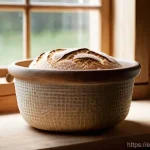
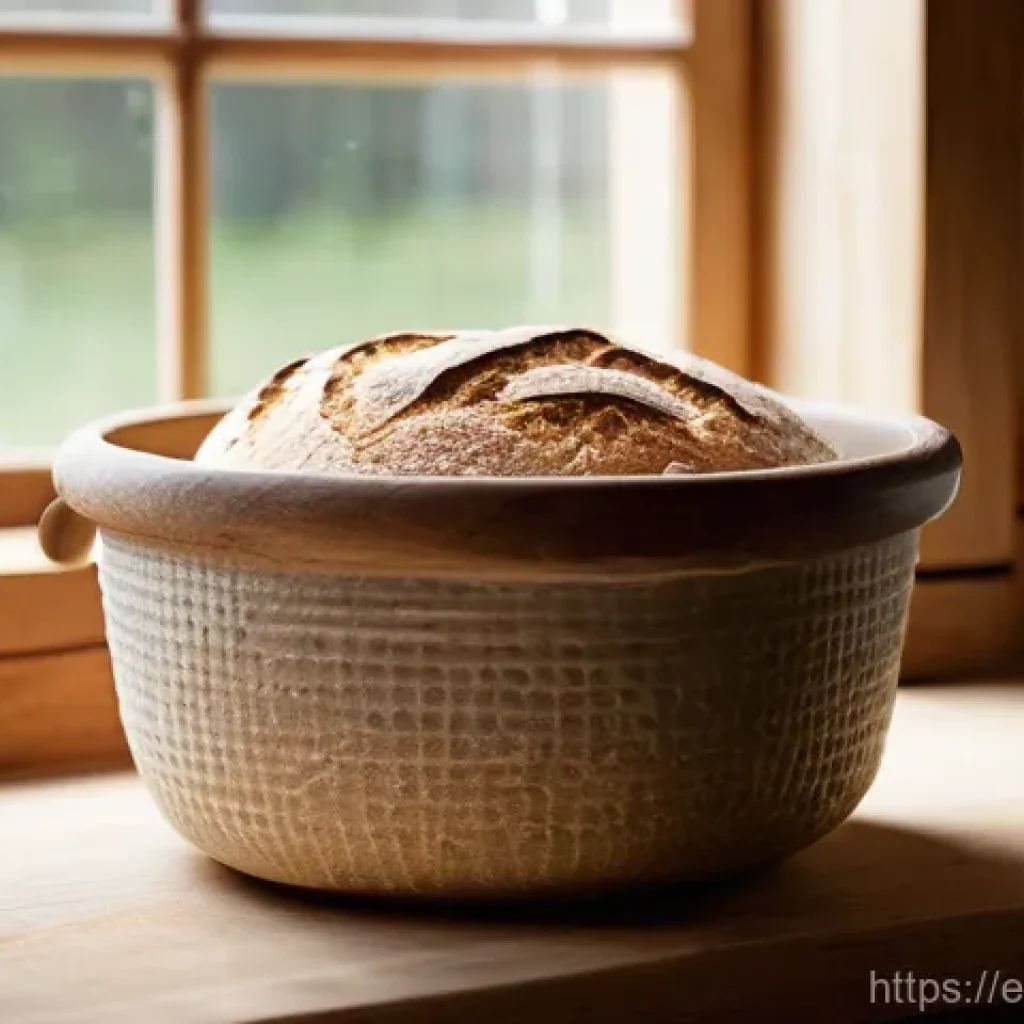
I remember my first dive into making my own sourdough starter – it felt like a science experiment, but the reward was this unbelievably tangy, airy loaf that tasted miles better than anything I could buy.
That’s the magic of fermentation, right? It’s not just about preservation; it’s a profound transformation, an alchemical process that unlocks a depth of flavor, aroma, and even texture that raw ingredients simply don’t possess.
Think about cheese, yogurt, sauerkraut, kombucha – these aren’t just foods; they’re experiences. For centuries, communities around the globe have harnessed these invisible helpers, from the traditional kimchi of Korea to the aged cheddar of England, and each culture has developed its own unique microbial symphony.
It’s a testament to human ingenuity and our ancestors’ keen observation skills, understanding that sometimes, letting nature take its course, with a little guidance, yields the most extraordinary results.
This ancient technique truly turns simple into spectacular, making our food not just edible, but truly alive.
Unlocking Hidden Dimensions of Taste
Have you ever bitten into a perfectly ripe, traditionally fermented pickle and noticed that incredible zing, that complex layer of sourness and umami that hits you differently than just vinegar?
That’s exactly what I’m talking about. Fermentation breaks down sugars, starches, and even proteins, producing a symphony of organic acids, alcohols, and esters.
These compounds are flavor powerhouses, creating new aromatic profiles and deepening existing ones. It’s why a truly aged Parmesan has that irresistible crystalline texture and nutty, savory punch, or why a natural wine offers such a fascinating journey on the palate.
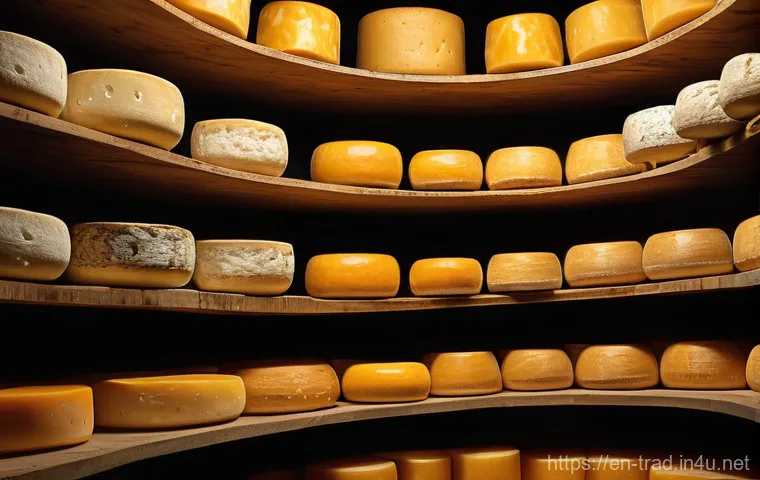
I once visited a small artisanal cheesemaker in Vermont, and the way they talked about their “cheese caves” – the specific humidity, temperature, and microbial environment – it was like they were nurturing tiny flavor architects.
They explained that modern, quick pasteurization and culturing often strip away the nuanced microbial activity, leading to a flatter, less dynamic product.
My own experiments with homemade fermented hot sauce have taught me this firsthand; the longer it sits, the more complex and fiery (yet balanced) the flavor becomes.
It’s not just heat, it’s a vibrant, living heat!
More Than Just Flavor: The Nutritional Boost
Beyond the incredible taste, traditional fermentation offers some seriously impressive health benefits that we’re only just beginning to fully understand again in the modern age.
When I started incorporating more fermented foods into my diet, I genuinely felt a difference in my digestion and overall energy. The beneficial bacteria, often called probiotics, that thrive during fermentation can help populate our gut with good microbes, which is crucial for everything from nutrient absorption to immune function.
These microbes also predigest some of the more complex compounds in food, making vitamins and minerals more bioavailable. For instance, the lactic acid bacteria in sourdough bread break down phytic acid, an antinutrient found in grains, making minerals like iron and zinc easier for our bodies to absorb.
It’s fascinating, right? Our ancestors weren’t thinking about “probiotics,” but they instinctively knew these foods made them feel better and kept them healthier, especially during leaner times.
It’s a fantastic example of traditional wisdom holding up to modern scientific scrutiny, proving that what tasted good often was good for us too.
Time-Honored Preservation: Beyond the Fridge and Freezer
In our hyper-modern world where refrigerators and freezers are ubiquitous, it’s easy to forget that for millennia, people developed incredibly clever ways to preserve food without electricity.
And guess what? Many of these “old school” methods don’t just keep food from spoiling; they actively transform it, often enhancing its nutritional value and creating entirely new flavor profiles that are simply divine.
I’m talking about things like curing, smoking, drying, and pickling, techniques passed down through generations. These weren’t just about survival; they were about creating delicious, stable pantry staples that sustained communities through long winters or lean seasons.
There’s something deeply satisfying about knowing your food has been crafted with such care and intention, standing the test of time long before a power outlet was even a concept.
It really makes you appreciate the ingenuity of our forebears, doesn’t it?
The Art of Curing and Smoking Meats
Imagine a time before refrigeration, when preserving meat was literally a matter of life and death. This led to the ingenious methods of curing and smoking.
Think about prosciutto, Spanish jamón, or even good old bacon. The process involves salting the meat, often with nitrites, which draws out moisture and inhibits bacterial growth, while also developing incredibly complex flavors.
Then, in many cases, it’s hung to air-dry for months, sometimes even years. The aging process, often combined with a subtle smoking over aromatic woods, infuses the meat with a distinctive, earthy, and savory depth you just can’t replicate with modern rapid-curing techniques.
I remember visiting a smokehouse in rural Germany, watching the owner carefully tend to his smoked hams. He explained that the specific type of wood, the duration of smoking, and even the ambient humidity played a crucial role in the final product.
The taste was phenomenal – rich, smoky, and melt-in-your-mouth tender, a true testament to the slow, patient craft that has been perfected over centuries.
It’s an art form that speaks volumes about tradition and patience.
Drying and Pickling for Longevity and Flavor
Beyond meats, traditional methods of drying and pickling have been absolute game-changers for fruits, vegetables, and even fish. Drying, for instance, reduces the water content to a level where microorganisms can’t thrive, concentrating flavors beautifully.
Think sun-dried tomatoes bursting with intense sweetness, or dried apples that make for a perfect chewy snack. I’ve tried drying herbs from my own garden, and the aroma alone is far more potent than store-bought.
Then there’s pickling, which I absolutely adore. Whether it’s the vinegar-based pickling popular in Western cultures for cucumbers and onions, or the lacto-fermented pickling seen in sauerkraut and kimchi, the goal is to create an acidic environment that inhibits spoilage.
But it does so much more! The acids break down cell walls, transforming textures and creating those delightful tangy, sour, and sometimes spicy notes that we crave.
My grandma’s pickled green beans were a legend in our family, each jar a vibrant burst of summer flavor that kept us going through the winter months. These methods not only ensure a supply of food but also introduce exciting new dimensions to our culinary landscape.
The Art of Aging: Unlocking Deeper Flavors and Textures
Have you ever noticed how some of the most exquisite foods – from fine wines to aged cheeses and even certain balsamic vinegars – aren’t just produced, but *cultivated* over time?
It’s like nature and human hands collaborate to create something truly spectacular. This process of aging isn’t just about letting things sit; it’s a controlled transformation, where complex chemical reactions slowly unfold, creating entirely new layers of flavor, aroma, and texture that are simply unattainable in a fresh product.
I find it absolutely fascinating how patience and a deep understanding of natural processes can lead to such profound culinary masterpieces. There’s a quiet dignity in these aged foods, a story whispered in every bite that speaks of time, care, and tradition.
Patience Pays Off: The Magic in Aged Cheese
When I talk about aged foods, cheese is often the first thing that comes to mind, and for good reason! The difference between a young, mild cheddar and a sharp, crumbly 10-year-old cheddar is astounding.
It’s not just sharper; it develops these beautiful, sometimes crystalline structures (tyrosine crystals!) and a complex nutty, almost savory-sweet flavor profile that can be absolutely addictive.
During aging, enzymes break down proteins and fats, creating a multitude of new flavor compounds. The moisture content also decreases, concentrating the flavors and firming up the texture.
I had the privilege of touring a traditional cheese aging cave in France, and the atmosphere was almost sacred. The cheesemakers meticulously turned each wheel, monitoring the temperature and humidity, knowing that every subtle shift would influence the final product years down the line.
It’s a slow dance between the cheese, the microbes, and the environment, resulting in a product that genuinely feels alive and full of character.
The Deep Character of Aged Vinegars and Spirits
It’s not just solid foods that benefit from the passage of time; liquids like balsamic vinegar and fine spirits are transformed by aging in remarkable ways.
A truly authentic Traditional Balsamic Vinegar of Modena, for example, isn’t just fermented grapes; it’s aged for a minimum of 12 years, often much longer, in a series of different wooden barrels.
As it ages, it thickens, darkens, and develops an incredible syrupy sweetness with notes of dried fruit and wood. The evaporation through the wood concentrates the flavors, and the wood itself imparts unique characteristics.
I always keep a small bottle of high-quality aged balsamic for drizzling over strawberries or a good Parmesan – it’s a revelation! Similarly, whiskies, brandies, and rums spend years, even decades, mellowing and absorbing character from oak barrels.
The harsh notes of fresh distillate soften, and complex vanilla, caramel, spice, and smoky flavors emerge. It’s a beautiful testament to how nature, given enough time and the right conditions, can refine and elevate even the simplest ingredients into something truly exceptional.
From Field to Table: Celebrating Heritage Grains and Local Sourcing
In an era dominated by industrial agriculture and global supply chains, there’s a quiet but powerful movement back to the roots of our food: heritage grains and deeply local sourcing.
It’s a return to celebrating biodiversity, supporting smaller farms, and connecting directly with where our food comes from. For me, there’s an indescribable satisfaction in knowing that the flour for my bread came from a farmer just a few miles down the road, milled from a grain variety that has a rich history.
This isn’t just about aesthetics; it’s about flavor, nutrition, and sustainability, proving that sometimes the “newest” trends are actually just rediscoveries of ancient wisdom.
It feels incredibly good to support practices that prioritize the health of the land and the quality of the food over sheer volume and efficiency.
The Resurrection of Ancient Grains
For a long time, industrial agriculture focused on a few high-yield wheat varieties, leading to a significant loss of genetic diversity in our grains.
But thankfully, heritage grains are making a powerful comeback! Think about varieties like spelt, emmer, einkorn, or even specific regional types of corn and rice that were almost forgotten.
These aren’t just trendy names; they often boast unique nutritional profiles, are more adaptable to diverse growing conditions without heavy chemical inputs, and most importantly, they offer an incredible spectrum of flavors and textures that modern grains simply can’t match.
When I bake with a heritage wheat flour, I notice a much richer, nuttier aroma and a more complex chew in the final product. It’s a completely different experience from baking with standard all-purpose flour.
I often tell my friends that it’s like comparing a generic pop song to a beautifully composed classical piece – both are music, but one offers so much more depth and character.
It truly opens up a whole new world for baking and cooking.
The Power of Local and Seasonal Sourcing
Connecting with local farmers and embracing seasonal produce is another traditional practice that’s gaining much-deserved traction. For centuries, people ate what was grown nearby and what was in season – it was the only way!
While we have global access now, there’s a profound benefit to going back to this approach. Food picked at its peak ripeness, right from a local farm, has an incomparable freshness and flavor that I swear you can taste.
Beyond that, it supports the local economy, reduces the carbon footprint associated with long-distance transportation, and often means you’re getting food from smaller farms that are more likely to employ sustainable practices.
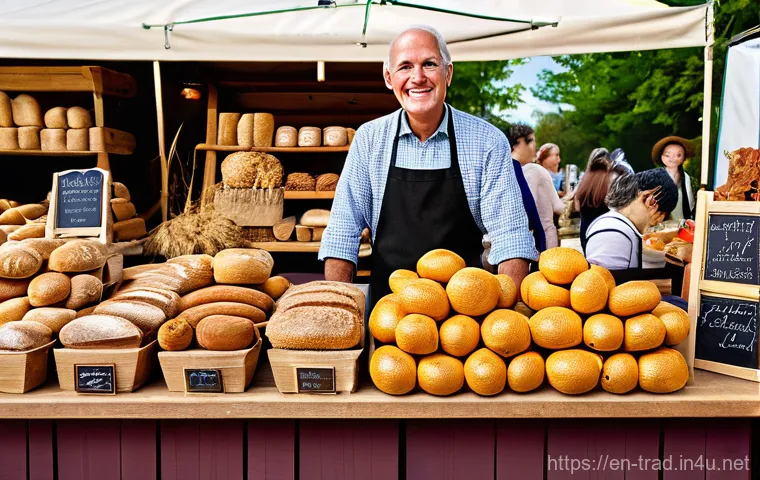
I love visiting my local farmers’ market; it’s not just about buying groceries, it’s about building community, talking directly to the people who grew my food, and discovering new, exciting varieties I might not find in a supermarket.
There’s a certain magic in preparing a meal knowing exactly where each ingredient came from, imbued with the care of local growers.
Why Handmade Matters: Craftsmanship in a Machine Age
In our fast-paced, mass-produced world, there’s something incredibly appealing about an item that bears the mark of human hands, especially when it comes to food.
The shift towards artisanal, handmade products isn’t just a nostalgic trend; it’s a testament to the undeniable quality, character, and often superior taste that comes from meticulous craftsmanship.
Think about the difference between a mass-produced cookie and one baked from scratch by a local bakery, using premium ingredients and a time-tested recipe.
It’s a night and day difference, isn’t it? When I buy something handmade, I feel like I’m not just purchasing food; I’m investing in passion, expertise, and a story.
It’s a quiet rebellion against the sameness of the industrialized food system, a celebration of individuality and care.
The Soulful Touch of Artisanal Production
There’s an intangible quality to food made by hand, a “soul” if you will, that simply can’t be replicated by machines. Artisanal producers often use traditional methods that are too slow or labor-intensive for large-scale industrial operations.
This might involve hand-kneading dough, carefully stirring a pot over an open flame, or individually shaping cheeses. These techniques often contribute to unique textures and flavors.
For example, a handmade pasta, with its slightly irregular texture, holds sauce far better than perfectly uniform, machine-extruded pasta. I once watched a master baker hand-shape hundreds of loaves of bread, each one a testament to his skill and years of practice.
He told me that the “feel” of the dough, something a machine can never truly replicate, was key to a perfect loaf. It’s about intuition, experience, and a connection to the ingredients that goes beyond mere metrics.
This human element introduces subtle variations and complexities that make each batch, and often each bite, a unique and delightful experience.
Quality Over Quantity: The Ingredient Imperative
Artisanal producers typically prioritize high-quality, often locally sourced or heritage ingredients, something that can be challenging for mass manufacturers facing immense pressure to cut costs.
When you’re working with small batches and focusing on flavor, you can afford to be more discerning about your raw materials. This means better-tasting fruits for jams, richer milk for cheeses, and more flavorful grains for breads.
I’ve found that when I choose a product from a small, local maker, the ingredients list is often shorter, simpler, and more recognizable, which is a huge plus for me.
It means they’re not relying on a laundry list of additives, preservatives, and artificial flavors to make up for a lack of inherent quality. My favorite local jam maker, for example, only uses fruit picked at its absolute peak, minimal sugar, and a touch of lemon juice.
That’s it! The result is a jam that tastes exactly like biting into a fresh berry, a testament to letting incredible ingredients speak for themselves.
| Feature | Traditional Food Manufacturing | Modern Industrial Food Manufacturing |
|---|---|---|
| Focus | Flavor, nutrition, cultural heritage, sustainability | Efficiency, cost-reduction, mass production, shelf life |
| Key Processes | Fermentation, aging, curing, drying, artisanal techniques, slow cooking | High-speed processing, pasteurization, chemical additives, artificial flavors/colors |
| Ingredients | Heritage varieties, local sourcing, minimal processing, natural | Standardized, often genetically modified, global supply, highly processed components |
| Flavor Profile | Complex, nuanced, deep, unique, often dependent on microbial action and time | Standardized, often artificial, less depth, predictable |
| Nutritional Impact | Enhanced bioavailability, probiotics, often more nutrient-dense | Often stripped of nutrients, reliance on fortification, fewer beneficial microbes |
| Environmental Impact | Lower carbon footprint (local), sustainable practices, reduced waste | High energy consumption, global transport, significant waste generation |
The Nutritional Nudge: How Traditional Methods Boost Goodness
When we talk about traditional foods, it’s easy to get lost in the romance of heritage and amazing flavors (and trust me, I do!). But what often gets overlooked is the profound nutritional impact these age-old methods have.
It’s not just about maintaining the nutrients; it’s about actively enhancing them, often making foods more digestible and bioavailable. I’ve personally felt the difference in my energy levels and overall well-being since I started consciously incorporating more traditionally prepared foods into my diet.
It feels like my body is simply happier and more efficient. Our ancestors might not have had microscopes or biochemistry labs, but they intuitively understood how to make their food work harder for them, and that wisdom is incredibly valuable today.
Increasing Bioavailability and Digestibility
One of the unsung heroes of traditional food preparation is its ability to unlock nutrients and make them easier for our bodies to absorb. Take grains and legumes, for example.
Many traditional cultures soaked, sprouted, or fermented these foods before consumption. Why? Because raw grains and legumes contain anti-nutrients like phytic acid, which can bind to minerals like iron, zinc, and calcium, preventing their absorption.
Through soaking or fermentation, these anti-nutrients are broken down, effectively “unlocking” the minerals and making them more bioavailable. I’ve heard countless stories, and experienced it myself, of people who struggle with modern bread but can happily enjoy traditionally fermented sourdough.
The long fermentation process breaks down complex carbohydrates and even some gluten proteins, making it much easier on the digestive system. It’s a brilliant example of how a simple, traditional step can have a huge positive impact on our health, often without us even realizing the science behind it.
Naturally Fortifying Foods with Probiotics and Enzymes
Beyond making existing nutrients more accessible, many traditional methods actively introduce beneficial compounds into our food. Fermentation is the star here, populating foods with an incredible array of probiotics – those live beneficial bacteria that are absolutely vital for a healthy gut microbiome.
A thriving gut impacts everything from digestion and nutrient synthesis to immune function and even mood. I mean, who doesn’t want a happier gut? Alongside probiotics, many traditionally prepared raw or lightly cooked fermented foods also contain enzymes that aid in digestion.
These enzymes essentially pre-digest some of the food, taking a load off our own digestive systems. Think about the difference between eating a raw cabbage versus fermented sauerkraut.
The sauerkraut is not only easier to digest, but it also delivers a dose of good bacteria and enzymes. It’s truly a win-win, turning simple ingredients into powerhouses of nutrition and digestive support, all thanks to those brilliant, ancient techniques.
Connecting Through Cuisine: Food as a Cultural Bridge
Beyond the incredible flavors and health benefits, one of the most beautiful aspects of traditional food manufacturing is its profound connection to culture and community.
Food isn’t just sustenance; it’s a storyteller, a keeper of history, and a powerful binder of people. When I try a dish made with age-old techniques, whether it’s a perfectly brewed kombucha or a richly flavored artisanal cheese, I feel like I’m tasting a piece of someone’s heritage, a legacy passed down through generations.
In a world that often feels disconnected, these foods remind us of our shared human experience, our ingenious ancestors, and the universal language of a delicious, thoughtfully prepared meal.
It’s a connection that truly nourishes the soul as much as the body.
Preserving Heritage Through Culinary Traditions
Traditional food manufacturing methods are essentially living museums, preserving cultural heritage in the most delicious way possible. Each technique, each recipe, each ingredient choice often tells a story about a region’s history, its climate, its resources, and its people.
Think about the specific methods used to make regional cheeses in Europe, each tied to a particular valley or mountain, reflecting centuries of local knowledge.
Or the distinct ways different cultures ferment vegetables, creating a diverse global tapestry of flavors. I remember learning about the traditional way of making a particular type of bread in an old village in Italy; the process itself was a ritual, connecting everyone involved to their ancestors and the land.
These traditions are often passed down orally, from elder to youth, ensuring that not only the recipe but also the story and the skills endure. It’s an invaluable link to the past, reminding us of where we come from and the resilience of human culture.
Building Community Around Shared Culinary Experiences
There’s an undeniable power in sharing food, especially food that has been prepared with care and tradition. Traditional food manufacturing often involves community participation, either directly in the making process (think harvest festivals, communal cheese-making, or even home canning parties) or in the celebration and consumption of the finished product.
These shared experiences foster a sense of belonging and strengthen social bonds. I’ve found that when I bring a homemade sourdough loaf or a batch of fermented pickles to a potluck, it sparks conversations and connections in a way that store-bought items rarely do.
People are curious about the process, eager to share their own experiences, and it creates a wonderful sense of camaraderie. This communal aspect reminds us that food isn’t just something we eat individually; it’s a powerful tool for connection, for celebrating life’s moments, and for building stronger, more vibrant communities.
Wrapping Things Up
As we reach the end of our journey through the incredible world of traditional food methods, I hope you’ve felt as inspired as I always do by the sheer ingenuity and deliciousness that comes from respecting time-honored techniques. From the bubbling magic of fermentation to the patient transformation of aging, and the profound connection we find in local and handmade goods, it’s clear that these practices offer so much more than just sustenance. They enrich our palates, nourish our bodies with enhanced nutrients, and deeply connect us to our history, our communities, and the very planet we inhabit. It’s truly a beautiful testament to human creativity and a gentle reminder that sometimes, the oldest ways are indeed the best. Let’s keep exploring, keep tasting, and keep celebrating the amazing heritage on our plates!
Useful Information to Know
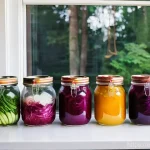
1. Start your fermentation journey small and safely. If you’re curious about getting into fermentation, don’t feel like you need to jump straight into complex projects. Begin with something simple and rewarding like homemade sauerkraut or lacto-fermented pickles. All you really need are fresh vegetables, salt, and a clean jar. There are tons of fantastic online resources and beginner-friendly cookbooks that walk you through the process step-by-step. Remember, cleanliness is key to successful fermentation, so always sanitize your equipment thoroughly. The flavors you’ll unlock, and the satisfaction of making something truly alive and delicious, will be a game-changer for your kitchen and your gut health. It’s an incredibly empowering feeling to transform simple ingredients into something vibrant and packed with probiotics, and you’ll quickly realize how much easier and more forgiving it is than you might imagine.
2. Discover your local food ecosystem. One of the most rewarding aspects of embracing traditional foodways is connecting with your local food producers. Seek out farmers’ markets in your area – they are often treasure troves of seasonal produce, artisanal breads, homemade preserves, and even small-batch fermented goods. Beyond the markets, look for local creameries, butchers, and bakeries that emphasize traditional methods and high-quality ingredients. Websites like LocalHarvest.org or EatWellGuide.org can be fantastic resources for finding farms and food artisans near you. Supporting these local businesses not only ensures you’re getting incredibly fresh and often more nutrient-dense food, but it also strengthens your community and helps preserve diverse food traditions. Plus, having a chat with the person who grew or made your food provides a transparency and connection that you simply can’t get from a supermarket aisle.
3. Understand food labels for traditionally inspired products. As traditional foods gain popularity, you’ll find many “fermented” or “aged” products on supermarket shelves. However, not all are created equal. For fermented foods, look for labels that specify “raw,” “unpasteurized,” or “live cultures” to ensure you’re getting the beneficial probiotics. If it’s pasteurized, many of those good bacteria might have been destroyed. For aged products like cheese or balsamic vinegar, research the traditional designations (e.g., “Parmigiano Reggiano” for authentic Parmesan or “Aceto Balsamico Tradizionale di Modena” for true aged balsamic). These terms often guarantee a product made with specific, time-honored processes. Knowing what to look for empowers you to make informed choices and truly invest in the quality and tradition you’re seeking, rather than just buying something with a marketing buzzword.
4. Experiment with heritage grains in your baking and cooking. If you’ve been sticking to all-purpose flour, you’re missing out on a whole world of flavor and texture! Many local mills and specialty stores now offer heritage grain flours like spelt, einkorn, or rye. Each offers a unique flavor profile – some nutty, some subtly sweet, some earthy – that can elevate your bread, pancakes, or even pasta dishes to an entirely new level. These grains often have different gluten structures, which might require slight adjustments to your recipes, but the payoff in depth of flavor and nutritional value is absolutely worth it. I’ve found that even a simple swap of 25% of your regular flour for a heritage variety can introduce a fascinating complexity. It’s a wonderful way to expand your culinary horizons and support biodiversity in agriculture, all while discovering new favorites.
5. Embrace the concept of “slow food” in your busy life. In our rush-rush world, the idea of slow food might seem daunting, but it doesn’t mean you have to dedicate your entire weekend to making sourdough (unless you want to!). “Slow food” is more about intentionality – choosing to appreciate where your food comes from, how it’s made, and the experience of eating it. This could mean dedicating one evening a week to cooking a meal from scratch with local ingredients, sharing that meal with loved ones, or simply taking a moment to savor a truly artisanal product. It’s about shifting your mindset to value quality, connection, and the enjoyment of food, rather than just its convenience. Even incorporating a single traditionally prepared item into your diet can be a step towards a more mindful and delicious approach to eating, reminding us that food should be a source of joy, not just fuel.
Important Takeaways
At its heart, this exploration into traditional food manufacturing methods is a call to reconnect with our culinary roots. What I’ve learned, and what I hope you’ve gathered too, is that practices like fermentation, aging, local sourcing, and artisanal craftsmanship are far more than just quaint relics of the past. They are powerful tools for unlocking unparalleled flavors, enhancing the nutritional value of our food, and fostering a deeper connection to our environment and each other. Choosing these foods means supporting sustainable practices, enjoying richer, more complex tastes, and truly nourishing your body with foods that are alive and full of character. It’s about valuing quality over quantity, patience over speed, and the rich tapestry of human ingenuity that makes our plates, and our lives, so much more vibrant. So go ahead, embrace the old ways – your taste buds, your gut, and your soul will thank you!
Frequently Asked Questions (FAQ) 📖
Q: What exactly makes these traditional food manufacturing processes so unique and effective at enhancing flavor and texture, especially when compared to our modern, often quicker, methods?
A: You know, it’s a question I get a lot, and it really boils down to time, patience, and a deep understanding of natural biological processes. When we talk about traditional methods, we’re often looking at things like slow fermentation, natural curing, and extended aging.
Think about a truly artisanal sourdough bread versus a quick-rise loaf. The sourdough, through its long fermentation, develops complex acids and compounds that give it that incredible depth of flavor and unique chewy texture that a fast-proofed bread just can’t replicate.
Or consider a perfectly aged cheddar cheese. That aging process, sometimes taking years, allows enzymes to break down proteins and fats, creating a spectrum of nutty, sharp, and savory notes you won’t find in a young, factory-produced block.
Modern methods often prioritize speed and scale, using artificial additives, rapid heating, or high-pressure processing to achieve a uniform, predictable product.
While efficient, this often sacrifices the nuanced flavors, the unique mouthfeel, and the living microbial communities that are the hallmarks of traditionally made foods.
It’s like comparing a finely aged wine to a mass-produced soft drink – both liquids, but worlds apart in experience. For me, it’s the magic of allowing nature to take its course, guided by human skill, that truly transforms simple ingredients into something extraordinary.
Q: Beyond just tasting amazing, are there any tangible health benefits or nutritional advantages to choosing foods made with these age-old techniques?
A: Absolutely, and this is where things get really exciting for our health-conscious readers! While the incredible flavors are often the first thing we notice, many traditional food processes also unlock significant nutritional benefits.
Fermentation, for example, is a powerhouse. When you ferment foods like sauerkraut, kimchi, or even your own homemade yogurt, you’re introducing beneficial bacteria (probiotics) that can do wonders for your gut health.
A healthy gut isn’t just about digestion; it impacts everything from your immune system to your mood. Moreover, fermentation can actually increase the bioavailability of certain nutrients, making them easier for your body to absorb.
Think about how much better your body processes the vitamins in a properly prepared sourdough versus a less digestible commercial loaf. These processes can also break down anti-nutrients present in some foods, making them more wholesome.
Plus, many traditional methods, especially curing and preservation without excessive sugars or artificial chemicals, rely on natural ingredients and don’t introduce the often-dubious additives found in highly processed modern foods.
From my own experience, incorporating more traditionally prepared foods has made me feel more energized and balanced. It’s a return to eating foods that our bodies are designed to recognize and utilize efficiently, rather than just filling up on empty calories.
Q: For someone like me, who’s busy but really wants to explore these traditionally crafted foods, what’s the best way to discover and incorporate them into my daily life without a huge hassle?
A: I totally get it – life moves fast, but that doesn’t mean you have to miss out on these culinary gems! The good news is, seeking out traditionally made foods is becoming much easier and a genuinely enjoyable journey.
My top recommendation is to start local. Hit up your farmers’ markets; they are treasure troves of small-batch producers who often employ these very techniques.
You’ll find incredible artisanal cheeses, naturally fermented pickles, sourdough bakers, and even heritage meats. Chat with the producers – they love to share their passion and knowledge!
Beyond markets, explore local specialty food stores or independent delis in your area. Many are curating fantastic selections of traditionally aged prosciutto, gourmet fermented sauces, and stone-ground flours.
Don’t forget the online world either; there are fantastic e-commerce sites specializing in small-batch, traditionally crafted goods that can be delivered right to your door.
And here’s a little secret: start small! You don’t need to overhaul your entire pantry overnight. Just swap out one item – maybe try a genuine, slow-fermented yogurt instead of your usual, or pick up a loaf of real sourdough next time you buy bread.
You’ll instantly taste the difference, and that little step often sparks a desire to discover more. It’s an adventure for your taste buds, and a way to connect with the incredible stories behind our food.