Hey there, fellow flavor adventurers! If your taste buds are anything like mine, you’ve probably noticed one incredible ingredient absolutely exploding in popularity across kitchens worldwide: Gochujang.
This isn’t just any chili paste; it’s a vibrant, complex, and utterly addictive cornerstone of Korean cuisine that’s now making its way into everything from gourmet burgers to unexpected dessert concoctions.
I remember my first time trying it, thinking it was just about the heat, but oh, how wrong I was! What I quickly discovered, through plenty of recipe testing and trips to various markets, is that Gochujang is a world unto itself.
It’s not a one-size-fits-all kind of condiment. You see, the magic truly unfolds when you start to explore its incredible varieties. Each type boasts its own unique balance of savory, sweet, and spicy notes, influenced by ingredients, fermentation time, and regional traditions.
Knowing these nuances can completely transform your cooking, taking your dishes from simply good to absolutely unforgettable. Trust me, it’s a game-changer!
Ready to unlock the full potential of this phenomenal fermented paste? Let’s dive deep and uncover the fascinating world of Gochujang’s types and characteristics.
The Heart of the Matter: Fermentation & Ingredients
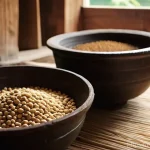
Okay, so let’s talk about what actually *makes* Gochujang. When I first started experimenting with Korean cooking, I honestly thought all Gochujang was pretty much the same – just a red, spicy paste. Boy, was I wrong! The real magic, and the incredible diversity you find, comes down to how it’s fermented and the specific ingredients that go into each batch. It’s like wine, almost; subtle changes in the process or the mix can lead to wildly different flavor profiles. I’ve spent countless hours poring over ingredient lists and even attempting a homemade batch (which, let’s just say, was a learning experience!), and what I’ve learned is that the foundation is key. We’re talking sticky rice, fermented soybeans (meju), red chili powder (gochugaru), malted barley powder (yeotgireum), and salt. The proportions, and especially the quality of these base elements, dictate everything. It’s an art form passed down through generations, and when you taste a truly exceptional Gochujang, you can absolutely tell the difference. It’s not just heat; it’s a complex symphony of flavors that hits your palate.
Traditional Craftsmanship
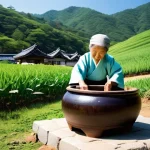
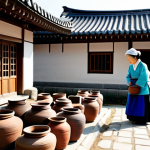
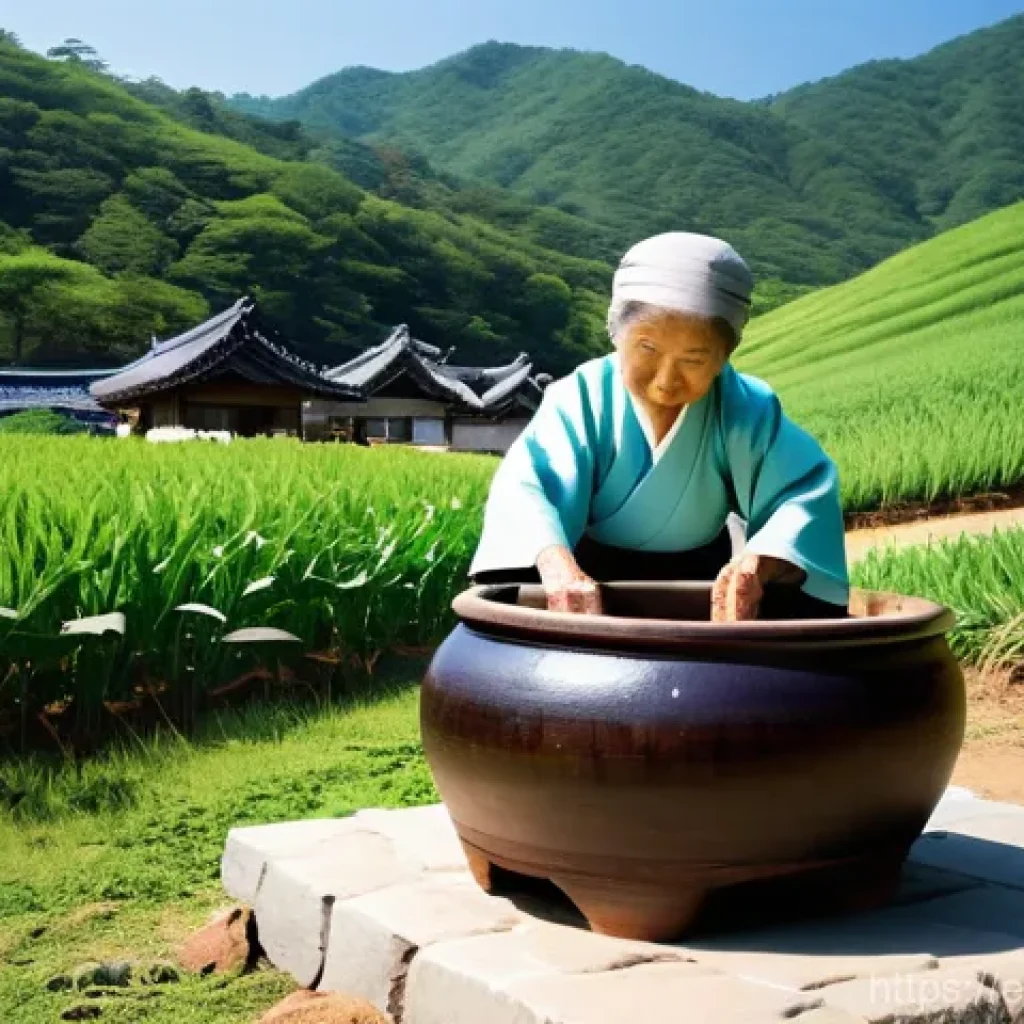
Stepping into the world of traditional Gochujang is like taking a trip back in time. These are often made in earthenware crocks called “onggi,” left to ferment under the sun, sometimes for years! My grandmother, who lives in a small village, still talks about the specific microclimate and the family’s secret meju starter culture that makes her Gochujang unparalleled. I’ve tasted hers, and it’s mind-blowing – deeply savory, with a nuanced sweetness and a gentle, lingering heat that just coats your mouth. The slow fermentation process breaks down starches and proteins, creating an incredibly rich umami bomb. You’ll often find that traditional varieties use glutinous rice and a higher percentage of fermented soybeans, which contribute to a profound depth of flavor that’s almost impossible to replicate quickly. These aren’t the cheapest options you’ll find on supermarket shelves, but for a special dish, or when you truly want to experience the authentic essence of Gochujang, they are absolutely worth the splurge. The complexity and history infused in every spoonful are just remarkable.
The Modern Spin
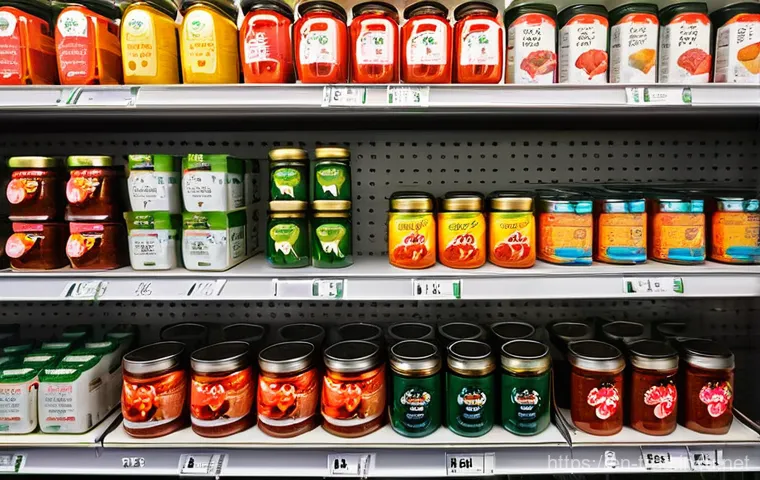
Now, while I adore traditional Gochujang, I also recognize that most of us are grabbing our tubs from the international aisle of our local grocery store. And that’s totally fine! Modern, commercially produced Gochujang has made this incredible ingredient accessible worldwide, and there’s a huge range of quality and flavor profiles available. These versions are typically fermented in controlled environments, often for shorter periods, and may include additional ingredients like corn syrup, wheat flour, or even more sugar to achieve a consistent taste and texture. I’ve found that some brands really hit it out of the park with a great balance of heat and sweetness, making them perfect for everyday cooking. They tend to be a bit sweeter and sometimes less intensely fermented than their artisanal counterparts, but that doesn’t mean they’re inferior. For whipping up a quick weeknight dinner or experimenting with a new fusion recipe, these are often my go-to. The key is to try a few different brands and see which one speaks to your personal taste buds. Don’t be afraid to experiment; you might just discover your new kitchen staple among the modern marvels!
Decoding the Spice Scale: Understanding Heat Levels
If you’re anything like me, your first encounter with Gochujang probably had you wondering, “How hot is this stuff, really?” It’s a valid question because, unlike a lot of other chili pastes where the heat is the star of the show, Gochujang is so much more. However, its heat level is definitely a crucial characteristic to understand, especially when you’re planning a dish. I’ve had my fair share of “oops, that’s spicier than I thought!” moments, and trust me, it’s not fun when your mouth is on fire and you can’t taste the other amazing flavors. Most brands, particularly those geared towards the international market, actually do a pretty good job of indicating the spice level, often using a numeric scale or a simple descriptive label. This is super helpful because it allows you to tailor your Gochujang choice to your personal tolerance and the specific dish you’re preparing. Whether you prefer a gentle warmth or a blazing inferno, there’s a Gochujang out there for you. It’s all about finding that sweet spot where the heat enhances, rather than overwhelms, the overall flavor of your creation. I’ve found that even for someone who loves spicy food, too much heat can mask the incredible umami that Gochujang offers.
From Mild Whispers to Fiery Roars
When you start exploring Gochujang, you’ll quickly notice that the spice levels vary significantly. On one end, you have the “mild” varieties, which often have a higher proportion of sweet glutinous rice and a lower amount of gochugaru (chili powder). These are fantastic if you’re new to Gochujang, or if you want to introduce it to kids, or simply prefer a more subtle heat that lets the other flavors shine through. I personally love using mild Gochujang in marinades for grilled chicken or in a light dressing where I want just a hint of warmth without overwhelming the fresh ingredients. Then there are the “medium” options, which hit that perfect balance for most palates. They provide a noticeable kick that’s satisfying without being aggressive, making them incredibly versatile for everyday cooking – think bibimbap, tteokbokki, or even a spicy dipping sauce. And for those of us who live for the burn, there are the “extra hot” versions. These are not for the faint of heart! Packed with a higher concentration of potent chili powder, they deliver a powerful punch that will clear your sinuses and make your taste buds tingle. I’ve found these are amazing for stir-fries when you want a serious heat component, or to add a fiery depth to stews, but use them sparingly unless you’re a true chili head!
How to Identify Your Perfect Match
So, how do you pick the right heat level without playing a culinary guessing game? First, always check the label. Many popular brands will have a “Gochujang Hot Taste Scale” (GHS) or simply labels like “mild,” “medium,” or “hot.” I’ve found these indicators to be pretty reliable. If you’re shopping at an Asian market and the labels are in Korean, don’t fret! Look for numbers. Higher numbers usually indicate more heat. Alternatively, look at the ingredients list. A higher proportion of red chili powder (고추가루 – gochugaru) will generally mean a spicier paste. My personal strategy? If I’m unsure about a new brand, I’ll often start with a medium heat and then adjust by adding more if needed, or by balancing it with other ingredients like sugar, honey, or sesame oil. Another pro-tip: taste a tiny bit straight from the tub (if you’re brave!). A small dab on your tongue will give you a pretty good idea of its intensity. Don’t be afraid to experiment with different brands and heat levels until you find the one that perfectly suits your palate and your culinary adventures. It’s all part of the fun of discovering new flavors!
Beyond the Heat: Unpacking Flavor Profiles
Okay, let’s be real. If you think Gochujang is *just* spicy, you’re missing out on a whole universe of flavor! It’s like saying a symphony is just loud – it’s true, but it’s such an understatement of the incredible complexity at play. What I’ve learned from countless cooking sessions and deep dives into Korean cuisine is that the heat is just one component of a much larger, more intricate flavor profile. Good Gochujang offers a delightful interplay of savory, sweet, and even a subtle tang that makes it utterly unique. It’s this balance that makes it so versatile and addictive. I remember trying a spoonful of a really well-made, artisanal Gochujang and being absolutely stunned by the depth beyond the initial kick. It wasn’t just my mouth buzzing; it was a warmth that spread, followed by a delicious sweetness and then a rich, fermented umami note that lingered. This isn’t your average chili sauce; it’s a fermented condiment that brings a whole new dimension to your cooking, transforming simple ingredients into something truly extraordinary. Trust me, once you start to appreciate these nuances, you’ll never look at Gochujang the same way again.
The Umami Bomb: Sweet, Savory, Tangy
The true magic of Gochujang, in my humble opinion, lies in its incredible umami. It’s that deep, savory deliciousness that makes you crave more. This umami comes primarily from the fermented soybeans (meju), which undergo a fascinating transformation during the fermentation process, breaking down proteins into amino acids. But it doesn’t stop there! You also get a distinct sweetness, often from the glutinous rice, barley malt, or even added corn syrup in commercial varieties. This sweetness isn’t cloying; it’s a rounded, mellow counterpoint to the heat, creating a beautiful harmony. I’ve used Gochujang in everything from marinades to sauces, and that inherent sweetness really helps to caramelize and bring out incredible flavors. And then there’s a subtle tang, a slight sourness that often comes from the fermentation process itself, or sometimes from the specific type of starter used. This tang adds brightness and prevents the paste from being one-note. It’s this trifecta – savory umami, balancing sweetness, and a hint of tang – that makes Gochujang such a powerhouse ingredient. It’s truly a condiment that hits all the right flavor notes on your tongue.
What Goes into the Mix?
Understanding the key ingredients helps us unlock these complex flavors. At its core, Gochujang relies on a few stars:
- Gochugaru (Korean Chili Powder): This is where the heat comes from, but unlike other chili powders, Korean gochugaru is known for its vibrant red color and fruity, smoky notes, not just pure capsaicin burn. The quality and grind of the gochugaru significantly impact the final product.
- Glutinous Rice Powder (or other grains): This provides the body and sweetness. As it ferments, the starches break down into sugars, contributing to that delightful sweet component. Some traditional versions might use barley or wheat.
- Meju (Fermented Soybean Blocks): The MVP for umami! These blocks of fermented soybeans are what give Gochujang its incredible depth and savory richness. They are also responsible for the characteristic pungent aroma that some people find unique.
- Malted Barley Powder (Yeotgireum): This acts as a saccharifying agent, aiding in the breakdown of starches into sugars during fermentation, enhancing the natural sweetness.
- Salt: Crucial for both flavor and as a preservative, salt plays a vital role in the fermentation process and balances all the other strong flavors.
Each ingredient plays a specific role, and it’s the careful balance and interaction during fermentation that creates the iconic flavor we all love. I once tried a Gochujang that leaned heavily on barley, and I noticed a distinct nutty undertone that wasn’t present in rice-based varieties. It’s truly fascinating how small adjustments can lead to such different outcomes.
Age is Just a Number: The Magic of Aged Gochujang
You know, in the world of fine foods, age often equals wisdom, and in the case of Gochujang, it definitely equals unparalleled flavor. My first encounter with truly aged Gochujang was at a small, family-run restaurant during a trip, and it was a revelation. I was expecting a kick, maybe some sweetness, but what I got was this incredibly deep, complex, almost wine-like flavor that just blew my mind. It’s a completely different experience from the Gochujang you typically find in plastic tubs at the grocery store. The longer it ages, traditionally in those earthenware crocks (onggi) basking in the sun and absorbing the natural elements, the more intense and nuanced its flavor becomes. The initial pungency mellows out, and new layers of umami and sweetness develop, almost like a fine cheese or a perfectly aged balsamic vinegar. It’s not just a condiment; it’s a testament to patience and the incredible power of fermentation. I’ve come to appreciate that some things truly do get better with time, and aged Gochujang is absolutely at the top of that list for me.
The Depth of Time
So, what exactly happens during this prolonged aging process? It’s all about microbial activity, my friends! Over months, and sometimes even years, the enzymes in the fermented soybeans and malted barley continue to break down starches, proteins, and fats. This results in an increased concentration of amino acids, which are responsible for that glorious umami flavor, and simple sugars, which contribute to a deeper, more mellow sweetness. The color also deepens, often becoming a rich, almost dark reddish-brown. I’ve noticed that aged Gochujang often has a slightly softer, almost spreadable texture compared to younger versions, which can sometimes be a bit stiffer. But the biggest difference, for me, is the aroma. It develops a more profound, earthy, and almost fruity scent, far less sharp than a freshly made paste. When I use aged Gochujang in a dish, it doesn’t just add heat or a basic flavor; it adds an incredible layer of sophistication and depth that simply can’t be achieved with a younger product. It’s like adding a secret ingredient that only you know about, elevating your cooking to a whole new level.
My Personal Revelation
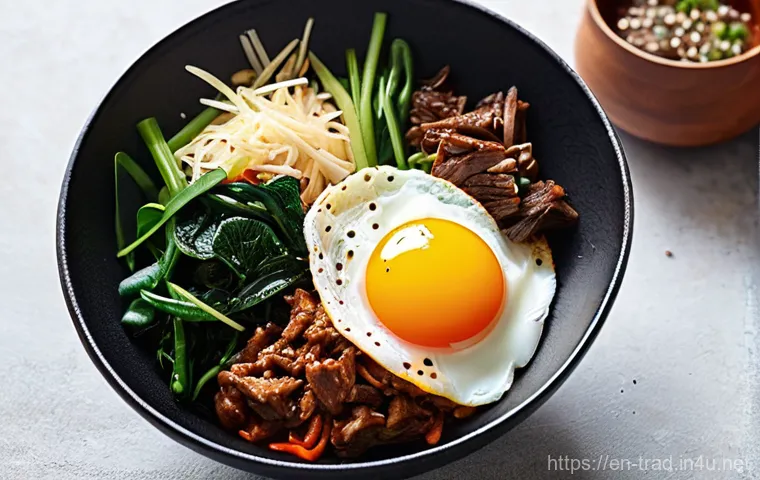
I distinctly remember making a batch of Tteokbokki using a special, year-old Gochujang I’d managed to get my hands on. Normally, I’d rely on my trusty supermarket brand. But this time, the sauce was different. It was richer, with a subtle sweetness that balanced the spice perfectly, and an umami depth that made every bite utterly satisfying. My partner, who’s usually quite discerning, actually paused mid-chew and asked, “What did you do differently with this sauce? It’s incredible!” That, my friends, was my personal revelation about the power of aged Gochujang. It wasn’t just a minor improvement; it was a game-changer. Since then, I’ve made it a point to seek out and try various aged versions whenever I can, even if they come with a slightly heftier price tag. I’ve found that even a small amount can transform a dish, adding a complexity that’s truly remarkable. While it might not be an everyday staple for everyone due to availability and cost, I highly recommend seeking out an aged Gochujang at least once. It’s an experience that will truly open your eyes (and your taste buds!) to the full potential of this amazing Korean condiment.
Making the Right Choice: Navigating the Aisles
Alright, let’s get down to brass tacks: how do you pick the right Gochujang when you’re standing in front of a shelf brimming with options? It can be pretty overwhelming, especially if you’re new to the Gochujang game. I’ve been there, staring at rows of red tubs, completely unsure which one to grab. But over the years, I’ve developed a few tricks that help me make an informed choice, whether I’m restocking my pantry or trying something new for a specific recipe. It’s not just about grabbing the prettiest packaging; it’s about understanding what you’re looking for in terms of flavor profile, heat level, and ingredients. And trust me, making the right choice here can truly elevate your cooking. You wouldn’t just grab any olive oil, right? The same goes for Gochujang. Taking a moment to consider your options can save you from a bland meal and lead you to a truly delicious discovery. My philosophy is always to start with a good base, and with Gochujang, that means making an educated decision at the store.
Reading Labels Like a Pro
The first step to becoming a Gochujang connoisseur is to read those labels! Don’t just gloss over them. Look for the ingredient list. As we discussed, traditional Gochujang will often feature glutinous rice, fermented soybeans (meju), gochugaru, malted barley, and salt. If you see a lot of added sugars like corn syrup or wheat flour high up on the list, it’s likely a more commercial, mass-produced version, which isn’t necessarily bad, but it will have a different flavor profile – usually sweeter and less complex. Also, keep an eye out for the spice level indicators. Many brands use a numbering system (e.g., S1 to S5, with S5 being the spiciest) or simple descriptors like “mild,” “medium,” or “hot.” I also pay attention to the origin. While most Gochujang comes from Korea, some brands specify regional styles or artisan producers, which can hint at a higher quality or unique flavor. Don’t be afraid to pull out your phone and do a quick search if you see a brand name you don’t recognize. A little research goes a long way in finding your perfect match, and I’ve discovered some incredible gems just by taking the time to understand the label.
Brand Busting: Finding Your Favorites
With so many brands out there, how do you even begin to narrow it down? My advice is to start with a couple of widely available, reputable brands. For many of us in the US, brands like Sunchang (순창), CJ (CheilJedang), and Daesang (Chungjungone) are common and offer a good baseline. I’ve personally used all of these and found them to be reliable for everyday cooking. Sunchang, for instance, is often associated with a more traditional flavor profile. Once you have a feel for these, then you can start branching out. Look for smaller, artisanal brands at Korean grocery stores or specialty Asian markets. These often come in more traditional packaging, sometimes even in glass jars, and might be a bit pricier, but the depth of flavor can be absolutely worth it. Don’t be afraid to ask for recommendations from the staff at these stores – they are often incredibly knowledgeable and can point you towards hidden gems. I’ve found some of my absolute favorite Gochujangs by simply asking, “What’s your best-selling or most authentic Gochujang?” It’s an adventure, really, and the joy of discovering a new, incredible ingredient is part of the fun of cooking!
Unusual Suspects: Specialized Gochujang Blends
Just when you think you’ve got Gochujang all figured out, the culinary world throws a curveball! Beyond the classic red paste, there’s a fascinating array of specialized Gochujang blends that are popping up, especially in the more adventurous food scene. These aren’t your grandmother’s Gochujang, but they are absolutely worth exploring if you’re looking to push your culinary boundaries. I’ve been seeing these innovative twists more and more, from gourmet shops to online retailers, and each time I stumble upon a new one, my imagination just runs wild with possibilities. We’re talking about Gochujang infused with unexpected flavors, or mixed with other ingredients to create an entirely new condiment. It’s a testament to the versatility of the original paste that it can be adapted and transformed in so many creative ways. If you’re someone who loves to experiment in the kitchen and is always on the hunt for that next unique flavor, then these specialized blends are definitely something you need to check out. I’ve personally had some incredible successes (and a few hilarious failures!) trying these out, and the journey itself is always a blast.
Innovation in a Jar
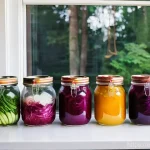
The innovation in Gochujang is truly exciting. I’ve encountered blends that incorporate ingredients like yuzu (for a citrusy kick), truffle oil (for an earthy, luxurious depth), or even fermented black beans for an extra layer of umami. Some brands are also pre-mixing Gochujang with other common Korean ingredients like sesame oil, garlic, and soy sauce to create ready-to-use sauces for things like bibimbap or marinades. While I usually prefer to mix my own sauces to control the exact flavor profile, these pre-made blends can be incredibly convenient for busy weeknights or when you’re just starting to explore Korean flavors. They often provide a balanced taste profile that’s a great introduction. I even saw a “smoked Gochujang” once that blew my mind with its depth! These specialized jars are a fantastic way to experience Gochujang in a new light and open up new avenues for your cooking. Don’t be afraid to try them out; you might just find your new secret weapon for adding a unique twist to your favorite dishes.
Unexpected Culinary Adventures
Using these specialized Gochujang blends can lead to some truly unexpected culinary adventures. Forget just Korean dishes! I’ve experimented with a yuzu-Gochujang in a vinaigrette for a summery salad, and the bright citrus notes paired with the subtle heat were absolutely divine. The truffle-infused Gochujang became a phenomenal addition to a gourmet burger, adding an incredible umami punch that elevated it far beyond a standard patty. And those pre-made Gochujang sauces? They’re brilliant for quick stir-fries with whatever vegetables you have on hand, or even as a spicy glaze for roasted salmon. I even made a spicy mayonnaise for some sweet potato fries using a slightly milder, sweeter blend, and it was an instant hit at my last get-together. The beauty of these blends is that they offer a shortcut to complex flavors and encourage you to think outside the box. They’re proof that Gochujang is incredibly adaptable and can seamlessly integrate into a wide range of cuisines, proving its global appeal. So, next time you’re feeling adventurous, keep an eye out for these unique Gochujang creations and let your taste buds take a wild ride!
Here’s a quick overview of some common Gochujang characteristics you might encounter:
| Characteristic | Typical Description | Culinary Implication / Use |
|---|---|---|
| Heat Level | Ranges from Mild (S1) to Extra Hot (S5), depending on gochugaru content. | Mild for subtle flavor, Hot for intense spice; impacts overall dish balance. |
| Sweetness | Varies from subtle to pronounced, often from glutinous rice or added sugars. | Balances heat, aids in caramelization, provides a well-rounded flavor profile. |
| Umami | Deep, savory richness from fermented soybeans (meju). | Adds incredible depth, complexity, and a satisfying “fifth taste” to dishes. |
| Texture | Thick, sticky paste; can be smoother or slightly coarser. | Affects mixability in sauces, consistency in marinades and dressings. |
| Aging | Young (commercial) to Aged (artisanal, 1+ years). | Aged versions have deeper, more complex, nuanced flavors; younger are more straightforward. |
| Color | Vibrant red to dark reddish-brown. | Indicates chili content and fermentation; deeper colors often suggest more aging or richer ingredients. |
Wrapping Things Up
Phew! What a journey we’ve been on, diving deep into the incredible world of Gochujang. From its ancient fermentation roots to the diverse modern blends, it’s clear this isn’t just a simple condiment; it’s a culinary masterpiece that brings so much more than just heat to the table. I truly hope this deep dive has sparked your own curiosity and given you the confidence to explore its myriad possibilities in your kitchen. Don’t be shy – grab a tub, taste a little, and let your culinary adventures begin! Trust me, your taste buds will thank you for it.
Useful Information to Know
Here are a few extra nuggets of wisdom I’ve picked up over the years that might just make your Gochujang journey even smoother:
1. Storage is Key: Once you open that glorious tub of Gochujang, it’s best to keep it tightly sealed in the refrigerator. While it’s a fermented product and has a long shelf life, refrigeration helps maintain its vibrant flavor and prevents it from drying out or developing unwanted molds. I usually transfer mine to a glass container with an airtight lid once opened, just to be extra sure it stays fresh and delicious for months. You might even find a thin, harmless white film on top after a while; this is normal, just scrape it off and enjoy the paste underneath.
2. Where to Find Your Perfect Match: Your local Asian grocery store is usually the best place to find a wide selection of Gochujang, from common commercial brands to more artisanal options. Many larger supermarkets now carry a few varieties in their international aisles, too. Online retailers are also fantastic for specialty or harder-to-find brands, often offering detailed descriptions of ingredients and spice levels. Don’t be afraid to ask for recommendations from staff at specialty stores; they often have incredible insights!
3. Beyond Korean Cuisine – Get Creative! While Gochujang is the soul of many Korean dishes, its versatility knows no bounds. I’ve personally used it to kick up a spicy mayo for fries, added a spoonful to chili con carne for an extra layer of umami, or even mixed it into salad dressings for a unique sweet and spicy tang. Try it in marinades for grilled meats, whisk it into a glaze for roasted vegetables, or even blend a tiny bit into a Bloody Mary for a truly epic brunch cocktail. The possibilities are truly endless, and it’s a fantastic way to elevate everyday meals.
4. Understanding the “Best By” Date: Because Gochujang is a fermented product, it often lasts well beyond its printed “best by” date, especially when stored correctly. The flavors might deepen and change slightly over time, but it doesn’t typically “go bad” in the same way other foods do. Use your senses – if it smells off, or has significant mold beyond the normal white film (which you can just scrape off), it’s probably time to toss it. But generally, a properly stored tub will serve you well for a surprisingly long time.
5. Balancing the Heat and Sweetness: If you find a Gochujang that’s a bit too spicy for your liking, don’t throw it out! You can easily temper the heat by adding a touch more sugar, honey, rice syrup, or even a splash of sesame oil to your dish. Conversely, if you want more punch, you can always add a pinch of Korean chili flakes (gochugaru) or a dash of hot sauce. It’s all about adjusting to your personal preference and creating that perfect balance in your dish. I often start with a little less than the recipe calls for and add more to taste.
Key Takeaways
Gochujang is far more than just a spicy paste; it’s a complex, fermented condiment rich in savory umami, balancing sweetness, and a hint of tang. Its flavor profile is profoundly influenced by its ingredients and fermentation process, ranging from traditional artisanal versions with deep, nuanced flavors to modern commercial blends offering consistent accessibility. Heat levels vary significantly, so always check labels to match your preference, but remember that the true magic lies in its overall flavor contribution, not just the spice. Don’t shy away from experimenting with different brands, heat levels, and even specialized blends to discover how this incredible ingredient can transform your cooking. Stored properly, it’s a long-lasting kitchen essential that invites endless culinary creativity.
Frequently Asked Questions (FAQ) 📖
Q: What are the primary types of Gochujang I’ll encounter, and how do their flavors really differ?
A: Oh, this is where the fun begins! When you first step into the world of Gochujang, you’ll primarily notice distinctions based on spice level: think “mild hot” (순한 고추장), “medium hot” (보통 매운 고추장), “very hot” (매운 고추장), and even “extreme hot” (매우 매운 고추장).
But trust me, it’s so much more than just heat! Beyond that initial kick, the flavor profiles truly diverge based on the ingredients and the fermentation process.
At its core, Gochujang is a beautiful blend of chili powder, glutinous rice, fermented soybeans, and salt. Some varieties will lean into a more pronounced sweetness from additional rice syrup or a higher glutinous rice content, giving them a syrupy, almost caramel-like quality that beautifully balances the spice.
Others, especially those fermented for longer periods in traditional earthenware pots called onggi, will boast a deeper, richer umami from the soybeans, almost like a savory funk that adds incredible depth to your cooking.
I’ve found that artisanal or traditionally made Gochujangs often have this complex, earthy depth that commercial brands, while still delicious, sometimes can’t quite replicate.
It’s like comparing a simple table wine to a fine, aged vintage – both good, but one tells a much longer story!
Q: With so many options, how do I actually choose the best Gochujang for what I’m cooking?
A: This is a question I get all the time, and it really comes down to what you’re trying to achieve in your dish and your personal spice preference. If you’re whipping up a light dressing for a salad or a delicate marinade for white fish, a “mild hot” or a sweeter variety is often your best bet.
It allows that unique Gochujang flavor to shine without overpowering the other ingredients. For classic Korean staples like a hearty Kimchi Jjigae (kimchi stew) or a spicy Tteokbokki (spicy rice cakes), a “medium hot” or “regular” Gochujang usually hits that perfect balance of heat and flavor.
This is the one I tend to keep stocked in large quantities in my pantry! If you’re a true heat-seeker and want that fiery kick, go for the “very hot” or “extreme hot” versions – they’re fantastic for robust meat marinades or dishes where you want the Gochujang to be the star.
I always advise checking the ingredient list; some brands might use corn syrup for sweetness, while more authentic ones opt for rice syrup, which can truly impact the overall taste and quality.
Don’t be afraid to try a few different brands and spice levels to find your personal favorites for different recipes. It’s an adventure for your taste buds!
Q: Beyond just “spicy,” what are some of the more nuanced flavor profiles or characteristics I should be looking out for in Gochujang?
A: Oh, this is my favorite part! To truly appreciate Gochujang, you need to go beyond the initial heat. What really sets it apart is its incredibly complex flavor profile, a symphony of tastes that unfolds on your palate.
First off, there’s that magnificent umami, a deep, savory richness that comes from the fermented soybeans. It’s almost meaty, even though it’s plant-based, and it adds an incredible depth that’s hard to describe but utterly addictive.
Then there’s the sweetness, which isn’t just sugar-sweet, but often a more rounded, natural sweetness from the glutinous rice or malt syrup used in fermentation.
This sweetness acts as a crucial counterpoint to the spice, creating a beautiful balance. You might also notice a subtle tanginess or a fermented funk, which comes from the beneficial bacteria and yeasts working their magic during the long fermentation process.
I’ve even detected faint earthy notes, sometimes a hint of nuttiness, or even a slight smokiness in certain artisanal batches, especially those made with sun-dried chili peppers.
The texture can vary too, from a super smooth, thick paste to one with a slightly coarser, rustic feel with visible chili flakes. These subtle differences are what make exploring Gochujang so fascinating – it’s like discovering new notes in a piece of music you thought you knew by heart!