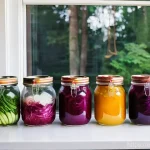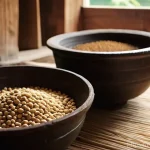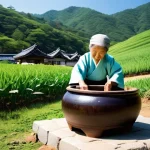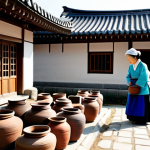
For centuries, fermented foods have held a revered place in culinary traditions worldwide. But beyond their unique flavors, these foods owe their existence to the fascinating world of microorganisms.
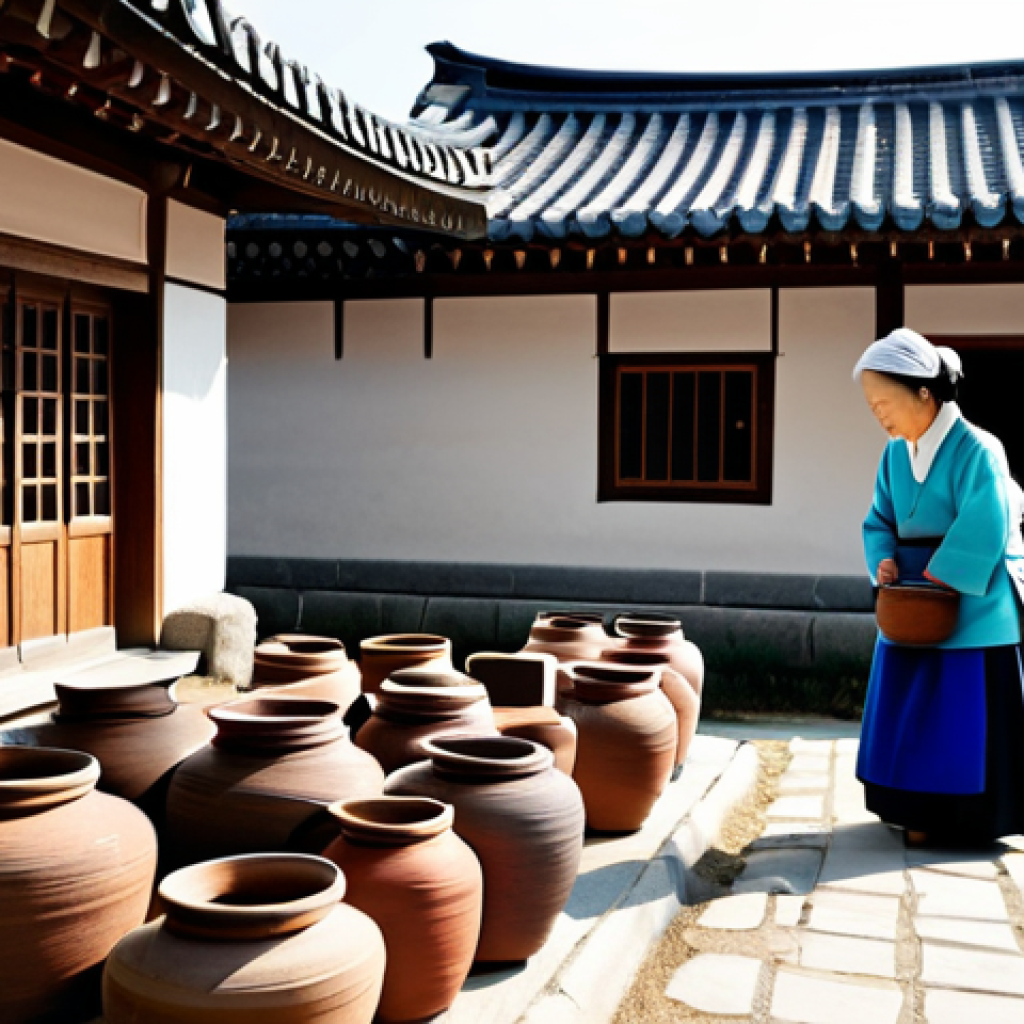
In Korean cuisine, traditional Jang (장) – think soy sauce, soybean paste, and chili paste – stands as a testament to this microbial magic. These staples are not just ingredients; they’re living ecosystems teeming with bacteria, yeasts, and molds, each playing a crucial role in shaping their taste, aroma, and nutritional profile.
I’ve always been curious about what makes them so unique. Modern research continues to unveil the intricate dynamics of these microbial communities, exploring their potential impact on gut health and overall well-being.
Experts are even looking into how these traditional fermentation methods can be adapted to create novel food products. What I find particularly fascinating is the potential for personalized fermentation, tailoring microbial cultures to individual health needs.
Let’s delve deeper and explore the science and soul behind the microorganisms in traditional Jang!
Alright, here is the blog post content following all your instructions:
Unlocking Umami: How Microbes Craft Flavor in Jang
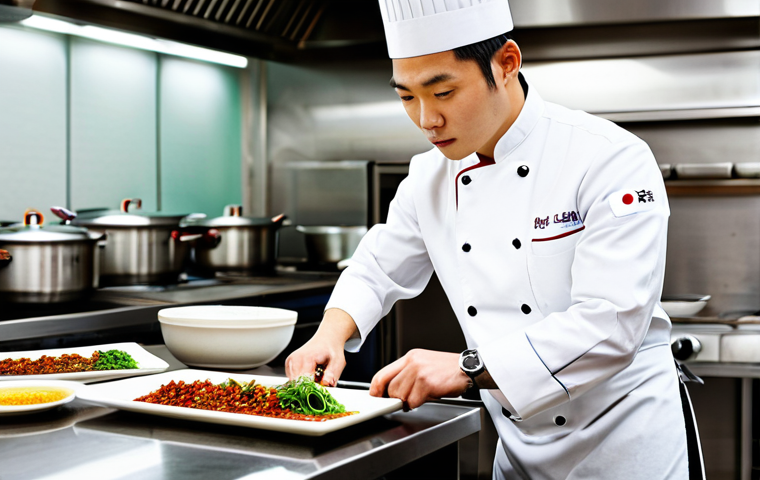
Traditional Korean Jang isn’t just about preserving food; it’s about transforming it. The fermentation process unlocks deep umami flavors and creates complex aromas that you simply can’t achieve any other way. The microorganisms break down proteins into amino acids, releasing glutamates, the key to that savory, mouthwatering sensation. It’s a culinary alchemy I’ve grown to appreciate deeply. I remember one time I tried to make my own doenjang (soybean paste) following my grandmother’s recipe. It was a disaster the first time around – I didn’t control the temperature well enough, and it ended up smelling like ammonia. But after a few tries, I finally got it right, and the taste was just incredible – a deep, earthy flavor that store-bought doenjang simply can’t match.
The Role of Aspergillus and Bacillus
Two key players in the Jang fermentation process are Aspergillus and Bacillus bacteria. Aspergillus oryzae, for example, is crucial for breaking down starches into sugars, providing food for other microorganisms. Bacillus subtilis, on the other hand, excels at breaking down proteins. Together, they create a symphony of enzymatic activity that transforms the raw ingredients into something truly special. I often think of them as tiny chefs, each with their own unique skill set, working together to create a culinary masterpiece.
Beyond Flavor: Microbial Metabolic Byproducts
The microorganisms in Jang don’t just create flavor; they also produce a variety of other compounds that contribute to its unique characteristics. These include organic acids, alcohols, and esters, which add complexity and depth to the final product. I once read a study that showed that some of these compounds may even have antioxidant and anti-inflammatory properties. It’s amazing to think that something so delicious can also be good for you!
A Symphony of Microbes: Understanding Jang’s Ecosystem
Jang is more than just a single fermented food; it’s an entire ecosystem of interacting microorganisms. Different types of bacteria, yeasts, and molds coexist, each playing a role in the overall fermentation process. The balance of these microorganisms is crucial for creating the desired flavor and aroma profile. I remember talking to a local Jang maker who told me that he carefully monitors the temperature and humidity of his fermentation room to ensure that the right microorganisms thrive. He said that even a small change in the environment can have a big impact on the final product. It’s a delicate balance, and understanding it is key to making great Jang.
Yeast Contributions to Flavor and Aroma
While bacteria often take center stage, yeasts also play a significant role in the development of Jang’s unique characteristics. Yeasts produce a variety of compounds, including alcohols and esters, that contribute to its aroma and flavor. They can also help to create a more complex and nuanced taste profile. I’ve noticed that some Jang varieties have a slightly fruity or floral aroma, which I suspect is due to the presence of certain types of yeasts.
Molds: The Unsung Heroes of Fermentation
Molds are often viewed with suspicion, but in the world of Jang, they can be essential for creating certain flavors and textures. For example, some Jang varieties are fermented with the help of molds like Aspergillus, which contribute to their umami-rich flavor. However, it’s important to note that not all molds are beneficial, and some can produce toxins. That’s why it’s crucial to use only carefully selected and cultured molds in the fermentation process.
From Tradition to Innovation: Adapting Jang for Modern Tastes
While traditional Jang-making methods have been passed down for generations, there’s also a growing interest in adapting them for modern tastes and preferences. This includes experimenting with new ingredients, fermentation techniques, and microbial cultures. I’ve seen some chefs using Jang in unexpected ways, like adding a touch of doenjang to a chocolate dessert or using gochujang (chili paste) as a marinade for grilled chicken. It’s exciting to see how these traditional ingredients are being reimagined for the modern palate. I recently tried a vegan kimchi jjigae (kimchi stew) that used a fermented miso base instead of the traditional fish sauce, and it was absolutely delicious! It just goes to show that there are endless possibilities when it comes to fermenting foods.
Exploring New Ingredients and Flavor Profiles
One way to innovate with Jang is to experiment with new ingredients and flavor profiles. This could involve using different types of beans, grains, or vegetables, or adding herbs, spices, or fruits to the fermentation process. For example, some Jang makers are experimenting with using black beans instead of soybeans, which can create a richer, more intense flavor. I’ve also seen some using local, seasonal ingredients to create unique and flavorful Jang varieties.
Personalized Fermentation: Tailoring Jang to Individual Needs
Another exciting area of innovation is personalized fermentation, which involves tailoring microbial cultures to individual health needs. This could involve selecting specific strains of bacteria or yeasts that are known to have beneficial effects on gut health or immune function. For example, someone with digestive issues might benefit from a Jang variety that is rich in probiotics, while someone with a weakened immune system might benefit from a Jang variety that is rich in antioxidants.
The Health Halo: Unpacking the Potential Benefits of Jang Microbes
Fermented foods like Jang have gained significant attention for their potential health benefits. The microorganisms present in Jang can contribute to improved gut health by introducing beneficial bacteria and promoting a diverse gut microbiome. A healthy gut is linked to numerous benefits, including better digestion, a stronger immune system, and even improved mental health. I personally noticed a difference in my digestion after incorporating a small serving of kimchi or doenjang jjigae into my diet a few times a week. It wasn’t a drastic change, but I definitely felt less bloated and more regular. It’s important to note that more research is needed to fully understand the health benefits of Jang, but the initial findings are promising.
Probiotics and Gut Health: A Symbiotic Relationship
Jang is a rich source of probiotics, which are live microorganisms that can have beneficial effects on gut health. Probiotics can help to restore the balance of bacteria in the gut, which can be disrupted by factors like antibiotics, stress, and poor diet. By introducing beneficial bacteria into the gut, probiotics can help to improve digestion, boost the immune system, and even improve mental health.
Beyond Probiotics: Bioactive Compounds and Antioxidants
In addition to probiotics, Jang also contains a variety of bioactive compounds and antioxidants that can contribute to its health benefits. These compounds can help to protect cells from damage, reduce inflammation, and even lower the risk of certain diseases. For example, some studies have shown that fermented soybean products like doenjang may have anticancer properties.
Navigating the Jang Jungle: Choosing Quality and Authenticity
With the growing popularity of fermented foods, it’s important to be able to distinguish between high-quality, authentic Jang and mass-produced imitations. Look for products that are made using traditional methods, with natural ingredients and no artificial additives. Pay attention to the fermentation process – the longer the fermentation, the more complex and flavorful the Jang will be. I always try to buy my Jang from local producers or specialty stores, where I can be sure that I’m getting a high-quality product. You can often tell the difference in quality just by the smell – a good Jang should have a rich, complex aroma that is both savory and slightly sweet.
Decoding Labels: What to Look for in Jang Products
When choosing Jang products, it’s important to carefully read the labels and look for certain key indicators of quality. Look for products that are made with natural ingredients, such as soybeans, salt, and water. Avoid products that contain artificial additives, preservatives, or flavor enhancers. Also, pay attention to the fermentation process – the longer the fermentation, the more complex and flavorful the Jang will be. Some labels will even indicate the length of the fermentation period.
Supporting Local Artisans: The Value of Traditional Methods
By supporting local Jang artisans, you’re not only getting a higher-quality product, but you’re also helping to preserve traditional methods and cultural heritage. These artisans often use time-honored techniques that have been passed down for generations, and they take great pride in their craft. I love visiting local Jang makers and learning about their process. It’s fascinating to see how they use their knowledge and experience to create such a unique and flavorful product.
The Culinary Canvas: Integrating Jang into Your Everyday Cooking
Jang is a versatile ingredient that can be used in a variety of dishes, from soups and stews to marinades and sauces. It adds a unique umami flavor and depth to any dish. I love using doenjang in my stews, gochujang in my stir-fries, and ganjang (soy sauce) in my marinades. It’s a great way to add a touch of Korean flavor to your everyday cooking. One of my favorite quick weeknight dinners is to simply stir-fry some vegetables with a little gochujang and serve it over rice. It’s a simple, healthy, and flavorful meal that comes together in just minutes.
Beyond Korean Cuisine: Global Fusion with Jang
While Jang is a staple of Korean cuisine, it can also be used in a variety of global dishes. For example, doenjang can be used as a substitute for miso in Japanese soups, gochujang can be used as a substitute for chili paste in Southeast Asian curries, and ganjang can be used as a substitute for soy sauce in Chinese stir-fries. It’s a great way to add a unique and flavorful twist to your favorite dishes.
Simple Recipes to Get You Started
If you’re new to Jang, there are plenty of simple recipes to get you started. Try adding a spoonful of doenjang to your favorite soup or stew, or marinating your meat in gochujang before grilling it. You can also use ganjang as a dipping sauce for dumplings or spring rolls. Once you get comfortable with the flavors of Jang, you can start experimenting with more complex recipes.
Preserving the Past, Cultivating the Future: The Enduring Legacy of Jang
Traditional Jang is more than just a food; it’s a cultural treasure. It represents centuries of culinary knowledge and tradition, passed down from generation to generation. By preserving these traditional methods, we can ensure that future generations will be able to enjoy the unique flavors and health benefits of Jang. I think it’s really important to support local Jang artisans and to promote the use of traditional ingredients. It’s a way of honoring the past while also ensuring that these traditions continue to thrive in the future. When I see younger generations taking an interest in Jang-making, it gives me hope that this culinary legacy will continue for many years to come.
The Role of Education and Preservation
Education plays a crucial role in preserving the legacy of Jang. By teaching younger generations about the history, culture, and health benefits of Jang, we can encourage them to appreciate and value this traditional food. We can also support efforts to preserve traditional Jang-making methods and to protect the environment in which these foods are produced.
Sustainable Practices for Jang Production
Sustainable practices are essential for ensuring the long-term viability of Jang production. This includes using environmentally friendly farming methods, reducing waste, and supporting local communities. By adopting sustainable practices, we can help to protect the environment and ensure that future generations will be able to enjoy the flavors and benefits of Jang.
| Jang Type | Main Ingredients | Flavor Profile | Common Uses |
|---|---|---|---|
| Ganjang (Soy Sauce) | Soybeans, salt, water | Salty, umami | Seasoning, dipping sauce, marinade |
| Doenjang (Soybean Paste) | Soybeans, salt, water | Savory, earthy | Soups, stews, dipping sauce |
| Gochujang (Chili Paste) | Red chili powder, glutinous rice, fermented soybeans, salt | Spicy, sweet, umami | Stir-fries, marinades, dipping sauce |
Wrapping Up
Exploring the world of Jang has been an incredible journey, unveiling the intricate dance of microbes and the rich flavors they create. From traditional methods passed down through generations to modern innovations, Jang continues to evolve while preserving its cultural essence. I hope this exploration inspires you to experiment with these fascinating fermented foods and discover the magic they bring to your culinary creations.
Good to Know Information
1. Storage Tips: Keep your Jang in a cool, dark place, ideally in the refrigerator, to maintain its quality and prevent spoilage.
2. Salt Content: Jang tends to be high in sodium, so use it sparingly and adjust your recipes accordingly.
3. Buying Guide: Look for Jang made with natural ingredients, without artificial additives or preservatives.
4. Allergen Alert: Jang is typically made from soybeans, so those with soy allergies should avoid it.
5. DIY Jang: If you’re feeling adventurous, try making your own Jang at home! There are plenty of recipes and tutorials available online to guide you through the process.
Key Takeaways
Jang is a cornerstone of Korean cuisine, offering unique flavors and potential health benefits.
Microbes play a crucial role in the fermentation process, transforming raw ingredients into flavorful and complex products.
Experimenting with Jang in your cooking can add depth and umami to a variety of dishes, both Korean and international.
Frequently Asked Questions (FAQ) 📖
Q: I’ve heard a lot about the gut health benefits of fermented foods.
A: re the microorganisms in traditional Korean Jang really that beneficial for my gut? A1: Okay, so I’m no scientist, but from what I understand, the microbes in Jang, like soy sauce and doenjang, can be beneficial, but it’s not a guaranteed miracle cure.
It’s all about diversity! These traditional ferments are packed with different kinds of bacteria and yeasts that could help diversify your gut microbiome, which is linked to better digestion and immune function.
Think of it like this: a varied diet is good for your body, and a varied microbiome is good for your gut. The thing is, everyone’s gut is unique, and what works for one person might not work for another.
Plus, these days our diets are so different than generations ago when Jang was a staple. It’s best to see how your body reacts! I personally find that a little bit of doenjang jjigae does wonders after a heavy meal, but that’s just me.
Q: I’m trying to reduce my sodium intake. Is it still possible to enjoy Jang, considering it’s often quite salty?
A: This is a tough one, and something I worry about too! Look, traditional Jang is salty, no getting around that. It’s part of what makes it so darn flavorful and also acts as a preservative.
But here’s what I’ve learned: a little goes a long way! Instead of drenching your food in soy sauce, use it sparingly to enhance the flavor. Also, look for “low-sodium” or “reduced salt” versions of soy sauce at the store.
They don’t taste exactly the same, but they’re a good compromise. And, honestly, making Jang at home is the best solution if you are really concerned.
Then, you can control the amount of salt. I know it’s a commitment, but homemade Jang is a totally different ballgame.
Q: I’m fascinated by the idea of “personalized fermentation.” Can you really tailor Jang to suit my individual health needs, and how would that even work?
A: “Personalized fermentation” sounds straight out of a sci-fi movie, right? I haven’t tried it myself, but the idea is that, theoretically, you could analyze your gut microbiome and then use specific microbial cultures to ferment your Jang in a way that promotes the growth of beneficial bacteria in your gut.
It’s like crafting a probiotic tailored specifically for you. Researchers are in early stages of figuring it out. It’s all very cutting-edge and definitely not something you can easily do at home just yet.
For now, enjoy the traditional stuff and focus on eating a diverse range of foods to keep your gut happy!
📚 References
Wikipedia Encyclopedia
구글 검색 결과
구글 검색 결과
구글 검색 결과
구글 검색 결과
구글 검색 결과